
 Ivan Zhigalov

⬤ Global markets are heading into a crucial week as a wave of high-impact economic events rolls out across the United States, Europe, Asia, and Australia. The calendar is stacked with inflation updates, central bank policy decisions, and growth signals that will shape expectations around interest rates and economic strength in the months ahead. This concentrated release schedule puts the spotlight squarely on USD, JPY, GBP, and AUD movements.
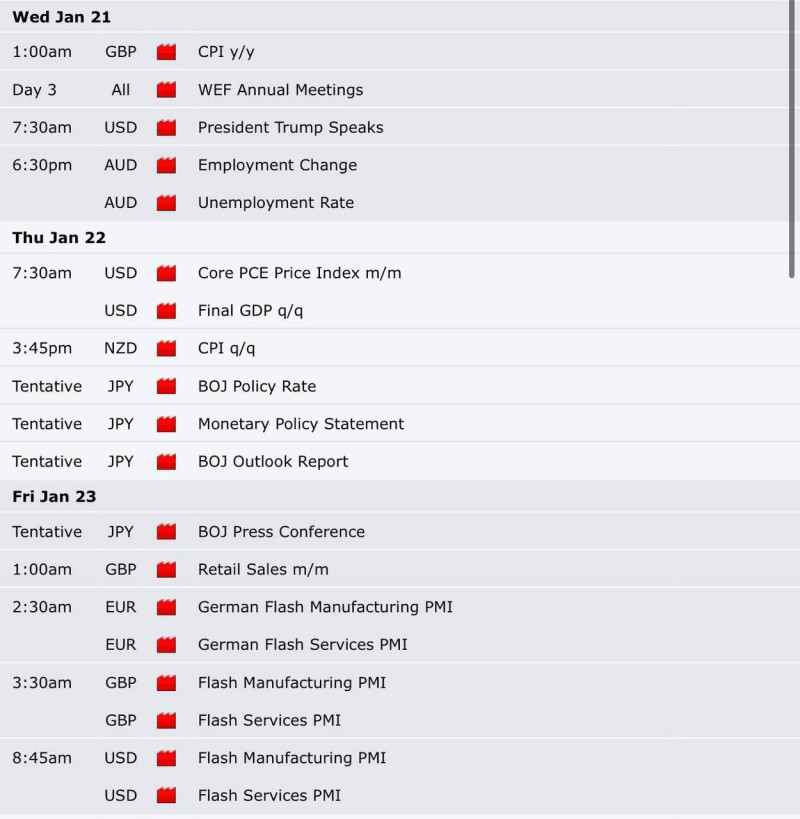
⬤ In the U.S., traders are watching Core PCE inflation—the Fed's preferred inflation measure—alongside the final GDP q/q numbers. These releases will show whether disinflation is holding steady and if the economy is maintaining its underlying strength. Later in the week, flash manufacturing and services PMI data will offer a real-time snapshot of business conditions, revealing whether growth is staying solid or starting to lose steam.
⬤ Beyond U.S. borders, major events are lined up. The Bank of Japan will announce its policy rate decision, followed by its monetary policy statement, outlook report, and press conference—all closely watched as markets debate Japan's shift toward policy normalization. In the UK, CPI y/y and retail sales m/m figures will paint a clearer picture of inflation trends and consumer spending. Europe will drop flash manufacturing and services PMIs for Germany and the broader eurozone, while Australia releases employment change and unemployment rate data to update the state of its labor market.
⬤ This convergence of inflation readings, policy moves, and real-time economic data matters because it forces markets to digest multiple macro drivers at once. When the world's major economies release data on prices, growth, and jobs simultaneously, traders often reassess interest rate expectations and adjust positioning across assets. Add in a U.S. presidential appearance at the World Economic Forum meetings, and the week highlights how economic signals and policy messaging can combine to shift global market sentiment.
 Ivan Zhigalov



