Ivan Zhigalov
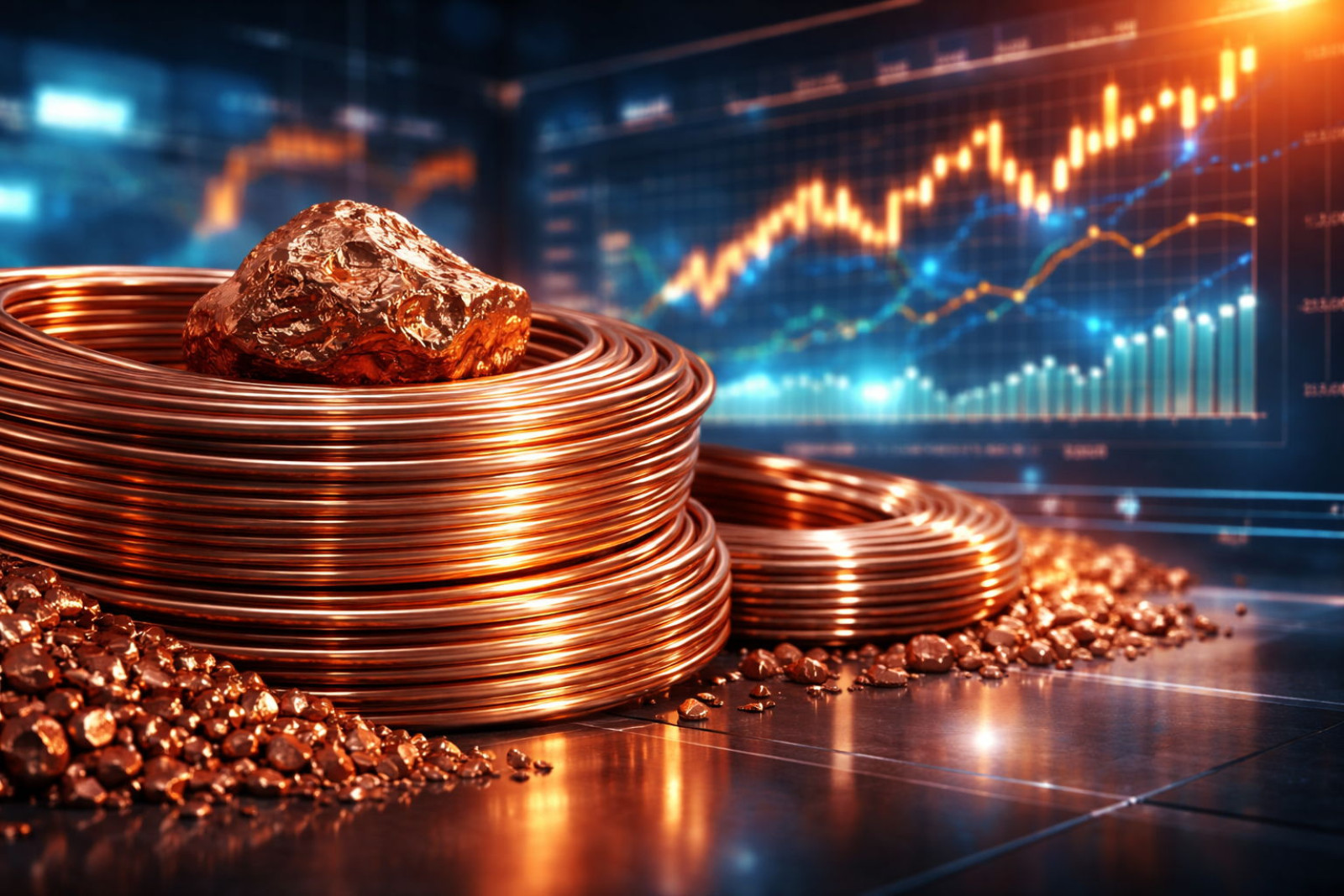
⬤ Copper prices exploded past $14,500 per metric ton for the first time ever, capping off a remarkable 24% climb since December. The metal even posted double-digit gains in a single trading session, catching traders off guard. Share_Talk reported the breakout as it unfolded, highlighting the intensity of the move.
⬤ Over on the London Metal Exchange, benchmark three-month copper pushed close to $14,125 per ton before pulling back slightly. The weaker US dollar played a major role here—when the greenback softens, dollar-priced commodities like copper become more appealing to international buyers. Similar patterns during strong commodity cycles are explored in Copper technical outlook and price forecast.
⬤ China's trading floors saw particularly aggressive activity, with speculative bets adding fuel to the fire. The excitement stems from expectations that economic growth is accelerating, especially with massive spending planned for data centers, robotics, and upgraded power grids. These demand-driven rallies mirror moves outlined in Industrial metals market trend analysis and Commodities breakout during macro expansion phases.
Broader market reporting indicates copper prices have been supported by a weaker US dollar and expectations of increased spending on data centers, electrification and infrastructure projects, while supply constraints also contributed to the rally, according to Reuters.
⬤ This breakout signals something important: the metals market is splitting. Industrial metals like copper are responding to completely different forces than precious metals. When growth expectations heat up, copper can sustain serious upward momentum because it's tied directly to building, manufacturing, and technological expansion.
⬤ The combination of supply squeezes and infrastructure boom expectations creates a powerful tailwind. With AI data centers multiplying, electric vehicle production ramping up, and green energy projects demanding massive amounts of wiring, copper's role as the backbone of modern infrastructure has never been more critical. That's why this rally isn't just about speculation—it reflects real-world demand shifts that could keep prices elevated for the foreseeable future.
 Ivan Zhigalov