Alex von Stachelkopf
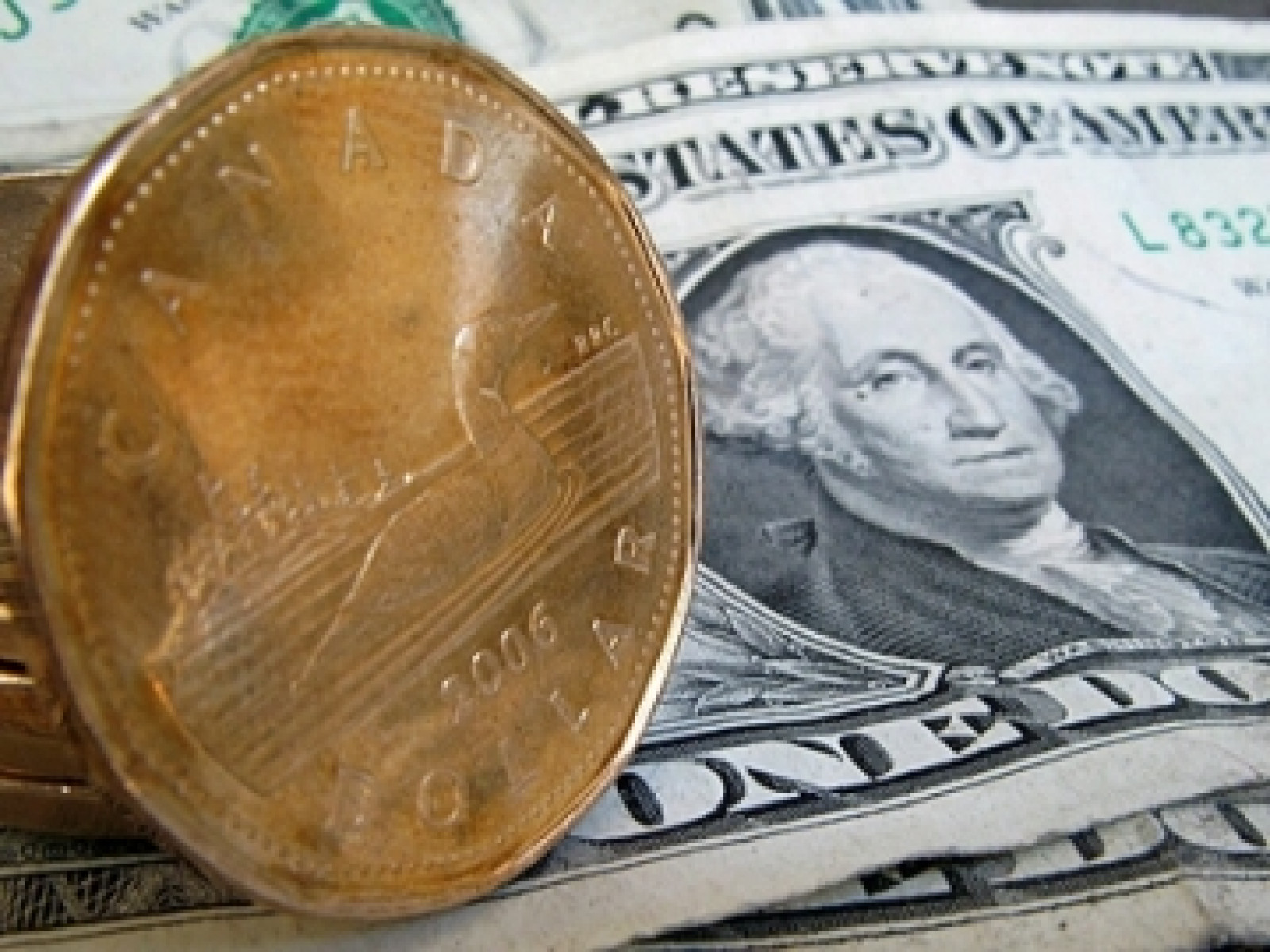
The US Dollar is still strong against its Canadian counterpart. It gained 0,08% after the Bank of Canada held its meeting yesterday. All in all, the BoC’s policies saw no key changes. For example, the overnight interest rate remained unchanged at 1,0%. Still, the Governor of the BoC seems to be concerned about increasing inflation risks.
The BoC’s decision made during the latest meeting matched expectations, including the overnight rate and neutral political position. Apparently, the central bank’s further policies will depend on the incoming economic data and their effect on the existing balance of risks.
At the same time, the bank admits that the 2% inflation target may be hit earlier than expected due to a temporary increase in energy prices. The central bankers are also worried about the weak economic potential of the USA, Canada’s major trade partner. The recent economic reports from the USA came out worse than expected, which may well provoke a global economic slowdown.
The Bank of Canada still hopes for higher exports and investments, which are the major drivers of the economic growth in Canada. The recovery of the export and investment flows may take a lot more time than expected but the readings are already nearing the planned levels. At the same time, a weaker Canadian Dollar may accelerate the process of recovery.
The currency market keeps waiting for the moment when the central bank increases the overnight interest rate for the firs time. Most of the market participants assume that this is going to happen by mid 2015 after the Fed’s does the same.
Right before the BoC’s meeting, USDCAD traded close to 1,0925. After the release of the meeting minutes, the price hit the intraday high at 1,0955, Market Leader reports.
Today, on June 5th, right before the beginning of the European trading session, the currency pair traded in the 1,0948-1,0953 range close to the local high. Apparently, the meeting minutes brought no key changes, thereby causing no volatility hikes in the currency market.
As for today’s major news for USDCAD, the USA is expected to release the weekly report on primary and secondary jobless claims. At the same time, Canada is expected to publish key monthly data, including April’s construction orders and May’s business activity index.
Bother the Canadian reports are expected to come out with significant growth, which may help the Canadian dollar to regain some value against its US counterpart.
USDCAD: Mid-Term Prospects
According to the trading experts of Masterforex-V Academy, the H4 chart of USDCAD indicates the bearish bias started on April 25th from the local high of 1,1046. The movement found the bottom at 1,0813. The we saw a bullish reaction to 1,0939 followed by consolidation while the market decided on the direction of the forthcoming momentum.
It is also possible that the “double bottom” pattern will be completed after consolidating above 1,0939.
The US Dollar is likely to go up at least to 161,8% of the Fibo if the 1,0939 support level is still defending the bullish tendency and the mentioned pattern turns out to be true.
A break above the 1,0988 resistance will give way to 1,1012 and further up to 1,1035.
Alternatively, if the support level turns into a resistance level, we are likely to see a decline down to 1,0899 and 1,0873.

According to the Binary Option Department of Masterforex-V Academy, if the bullish bias holds true, we can make the most of it by going long before the major trading session. The lifetime of the option is 2-3 hours.
 Alex von Stachelkopf