
 Alex von Stachelkopf
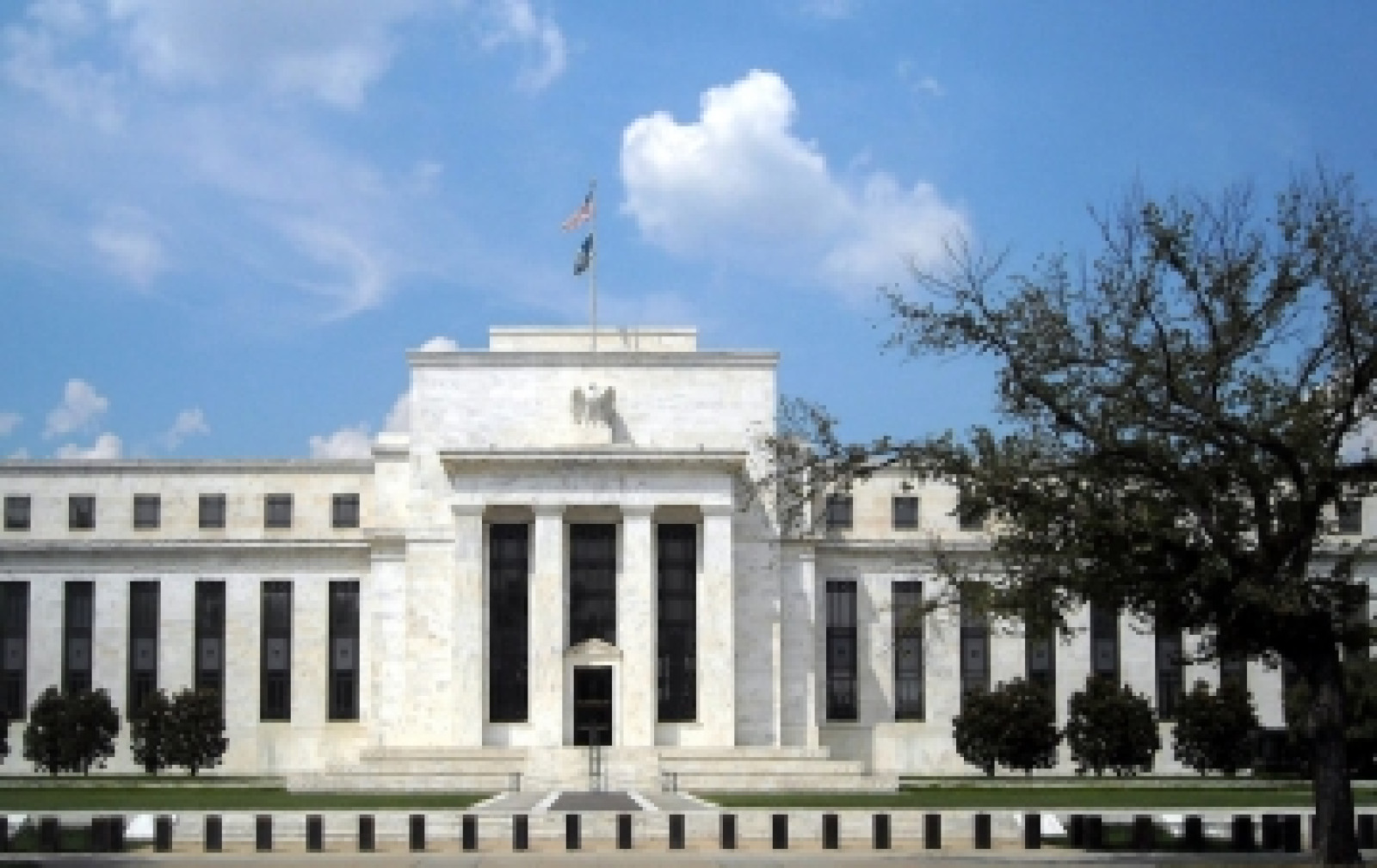
The U.S. Federal Reserve has eased their rhetorics in order to avoid another stock market crash. International experts are now trying to predict the possible consequences of the decision made by the American financial regulator, especially form the stand point of international investors.
It is interesting to note that the Fed revised the situation in the American economy in May to come to the conclusion that the national economy had recovered from the slowdown and started growing. The experts don't deny the possibility of another retracement period in the national stock market, which means they should take extra steps to back the market stability and avoid another market crash.
As you probably know, the Fed implemented 4 interest rate hikes last year. At this point, the regulator's representatives claim that they are not planning more interest rate hikes this year. Moreover, they even don't deny an interest rate cut in 2020.
Also, the regulator denied the idea of reinvesting a certain share of the money gained from the expired bonds. The balance contraction will end in October. This means that at least one means of monetary toughening will cease to exist.
Market participants are positive about the prospects. The derivatives segment is expected to end up with easing and interest rate cuts by the end of 2019, with a chances of over 50%. It's interesting to note that such expectations often anticipate the regulator's decision. Those expectations are often reflected in the fed funds rate - a futures index.
Fed's QE May Back Stronger Economy
The essence is simple. Amid interest rate cuts, favorable lending conditions are created. Thanks to the so-called multiplier effect, the economy may develop more actively. Over 50% of the Americans invest in stocks in a regular basis, including various retirement plans. Any stock market crash will definitely affect the consumer sentiment. That's why the regulator keeps watching not only the labor market and inflation, but also the financial conditions.
President Trump has been criticizing the Fed for relatively low interest rates. However, both the president and the regulator are pursuing the same goal - a stronger and more stable economy. Int's interesting to note, that S&P 500 gained over 17% during the first 5 months of the year, thus setting an new all-time high. However, the market is not going to grow exponentially even after the good news, especially as the trade war between the USA and China is still going on.
The bottom line is that given the current state of affairs, the summer is likely going to be rather volatile for the U.S. stock market since the Fed still has a lot of tools under their belt to back the risky assets. Even if the market situation worsens, the Fed may start a series of verbal interventions, followed by interest rate cuts. So, the current actions made by the Fed seem to favor the market, and the summer time may become another period of cheap money.
 Alex von Stachelkopf



