
 Dmitri Lysenko
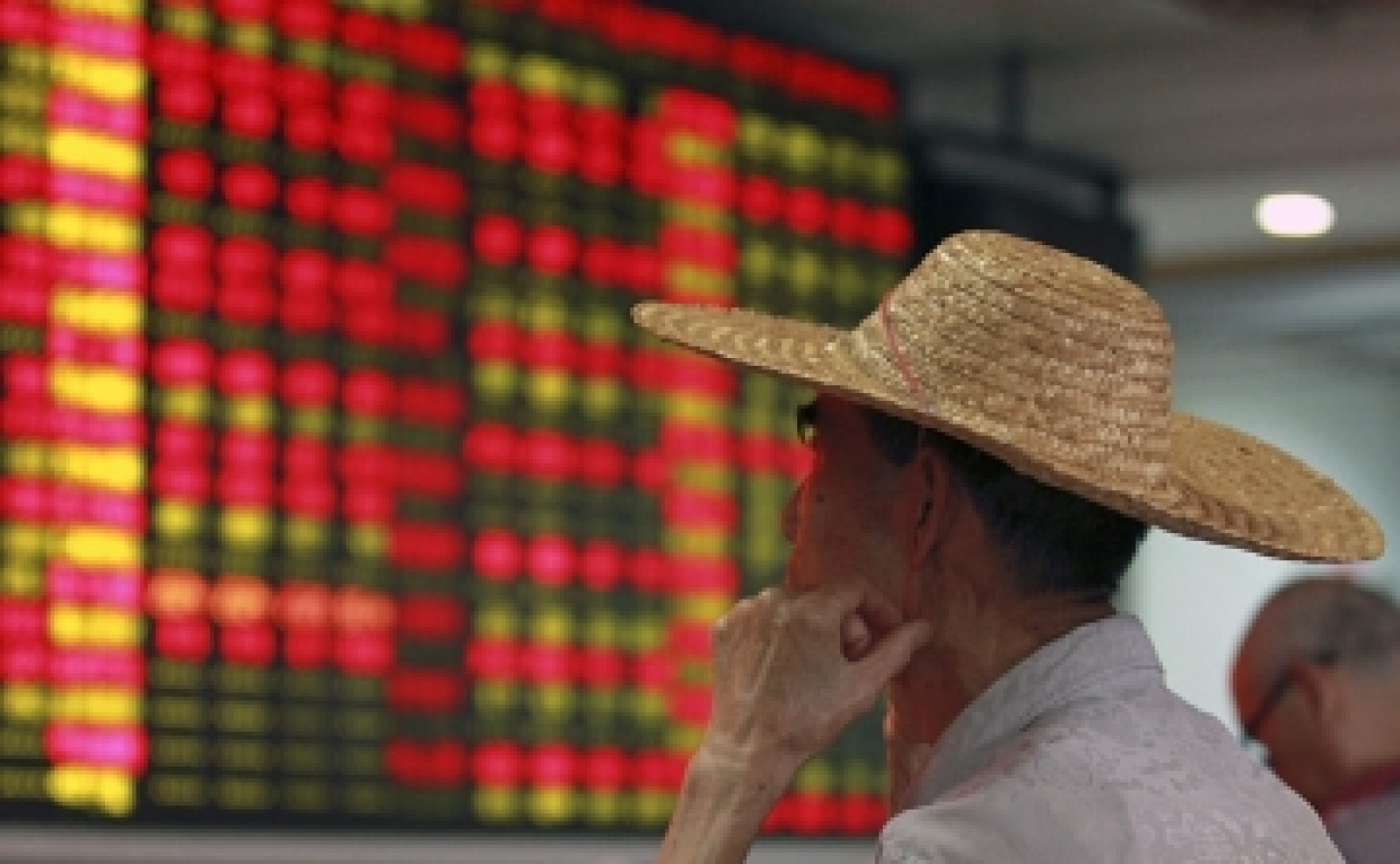
Asian stock indexes saw another plunge on Tuesday following an overall Chinese market crash, Market Leader reports. For instance, MSCI Asia Pacific dropped by 0,6% down to 137,07 points over the reporting period. At the same time, Shanghai Composite and Hang Seng (Hong Kong ) lost 6,15% and 1,4% respectively. Nikkei 225 (Japan) was down by 0,3%.
According to Masterforex-V Academy, the Chinese stock market plunged amid investors’ concerns that the Chinese authorities are going to cut down on backing the market. It should be noted that last week the local Chinese regulator announced that CSF (China Securities Finance Corp.) had got funds from the People’s Bank of China and was backing the liquidity in the local stock market but it was going to cut down on investments due to lower volatility.
Later on, Chinese media with reference to anonymous sources, reported that the People’s Bank of China might well ease the bank reserve requirements. Still, the expectations of that easing eased as well after China’s central bank decided to pour in more money in the the the Chinese financial system. The financial injection is currently estimated at $18,8 billion. This is the biggest financial injection since January 2014.
In the meantime, the trading community is looking forward to the Fed’s FOMC meeting minutes. The meeting took place on July 28th – 29th. The report is expected to signal some major changes. In particular, they are looking forward to hints on whether the Fed is about to make a crucial decision to start raising the interest rates during the forthcoming meeting in September.

Consequences of Yuan Devaluation
At this point, the Chinese financial regulator is forced to sell its dollar reserves in order to curb the devaluation to the Chinese Yuan. If coupled with the current slowdown seen in the Chinese economy, this requires more decisive and urgent steps from the Chinese authorities in terms of preserving the liquidity inflow amid low interest rates, i.e. easing he bank reserve requirements.
It should be noted that the devaluation of the Chinese Yuan instantly triggered a flight of foreign capital from China. With that said, the latest steps taken by the People’s Bank of China are now seen as the answer to tougher access to liquidity, Masterforex-V Academy experts say.
It is interesting to note that the lion’s share of the incoming is being sold to the central bank. It should also ben noted that the the Renminbi lost 3% of tis value against the U.S. Dollar within the next 3 trading session following the devaluation. It is mainly due to the Central banks’ interventions that the Chinese Yuan did finally manage to stabilize.
 Dmitri Lysenko



