Vlad Demochko
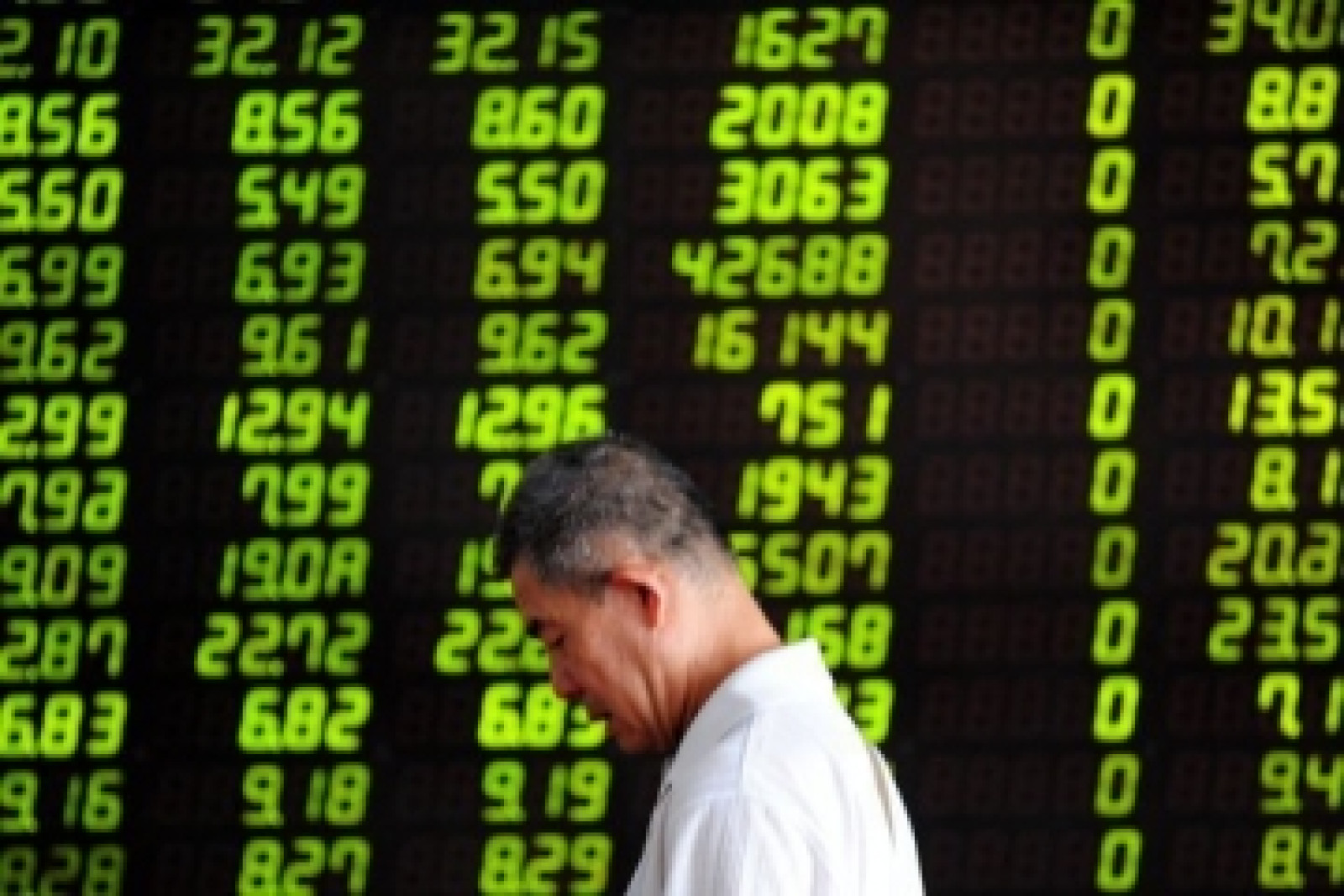
Despite the fact that Chinese authorities have been doing their best to save the local stock market from seen an even deeper crash, there efforts have been inefficient and uncoordinated and have failed so far.
Yesterday, on August 4th, the Chinese government held an emergency summit together with the leading financial experts in China. The Prime Minister urged the expert to work out an efficient solution to cap the crash until it is too late. At the same time he insists on tighter cooperation between the People’s Bank of China, the Chinese Ministry of Finance as well as stock market regulators and major banks.
Masterforex-V Academy experts report that the People’s Bank of China had recently allocated funds to support the stock market and help the investors purchasing shares for lent money. The local regulator CSRC has suspended al IPOs in the Chinese stock market until the situation stabilizes. Public companies and investment banks have promised to purchase stocks.
However, this doesn’t seem to be enough to save the day. Since July 23rd, the Chinese stock market has shrunk by 9% and by 27% since late June. At this point, the total loss is estimated at $3400 billion of market capitalization.
Despite some disputes in the ruling circles, all the high-ranking financial politicians finally compromised. Still, the local financial regulators seem to have been no expertise in cooperating under such pressure. In 2013, China established the Center for Financial Stability, which is designed to act efficiently to prevent such financial shocks and reduce their negative influence once they do happen. However, since then there has been no information about its functioning.
On June 27th, when the Chinese stock market sellout was already underway, the People’s Bank of China cut the interest rates as well as the bank reserve requirements. A couple of days later, the CSRC approved several IPOs, even though there was no demand for stocks at that point. Therefore, the IPOs only accelerated the sellout, thereby pushing the stock market plunge even deeper down to new major lows.
The point is that the People’s Bank of China is responsible for financial stability in China while the CRSC, which regulates capital markets in China, wants to give the debt-ridden public companies an opportunity to sell their stocks to settle accounts with their lenders.
At the same time, the Chinese financial market used to be booming due to the so-called margin lending. At the same time, non of the regulators was found responsible for allowing those margin loans. As of early June, the amount of margin loans given by brokers to purchase stocks quintupled up to 2 trillion CNY or $322 billion over the course of 12 months. On top of that, these figures do not include the loans taken from online lenders and banks. According to Everbright Securities, if to take into account those loans, the overall figures will double up.
 Vlad Demochko