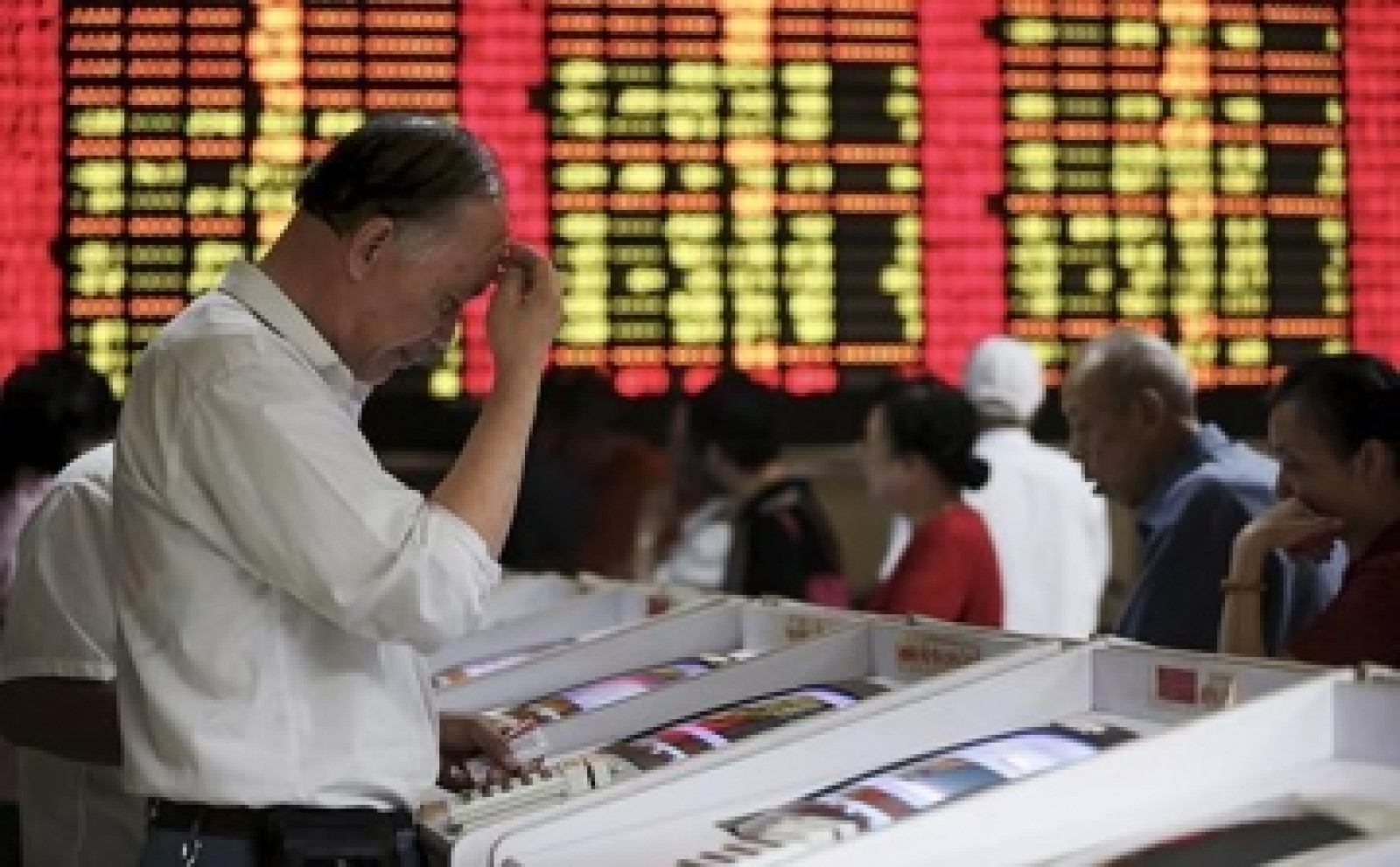
The Chinese authorities have temporarily banned public Chinese companies from trading their stocks in order to reduce the increased volatility in the Chinese stock market and defend the interests of multiple investors, Market Leader reports.
The Chinese stock indexes have been plunging steadily over the last few weeks. This triggered the mentioned response by the Chinese government.
In particular, Shanghai Composite was traded around 5132 points 4 weeks ago only to see a 1500 drop by now. At the same time, Masterforex-v Academy reports, that another major Chinese stock index including mainly public Chinese companies - Shenzhen Composite Index – dropped by almost 40% from 3140 all the way down to 1900 points and even below.
On July 8th, the Shanghai and Shenzhen indexes dropped 8% and 4% more respectively after the session opened. That is why the local financial regulator decided to fight to situation by temporarily capping the stock market trading and preventing a further sellout. The temporary ban concerns all public companies, including heavyweights working in many of the key industries. The other day, some 200 stocks were suspended, which expanded the list of assets unavailable for trading up to 744 stocks or over 25% of the total amount listed on Chinese stock exchanges.
Chinese Bubble Threats Global Economy
Shocking figures keep on coming from China. In particular, since June 12th, the overall capitalization of the Chinese stock market decreased by $3 200 billion. For the sake of comparison, this is more than the total capitalization of the Indian stock market.
The biggest loser is Shenzhen Composite Index. It has dropped by 38% over the reporting period. On top of the decision to suspend the trading of public stocks, the local regulator suspended all IPOs. At the same time, the government urges the top managers and shareholders to conduct the so-called buy-back.
The leading brokers are going to poor $12 billion into the stabilization fund designed to save the day for the local stock markets. The fund is going to invest in high-cap Chinese ETFs. The fund is also going to get almost $42 billion from the CSF corporation in order to spend it on share purchases. According to Beijing’s plan, these resources are going to pay the key role in overcoming the current crisis.