
 Dmitri Lysenko
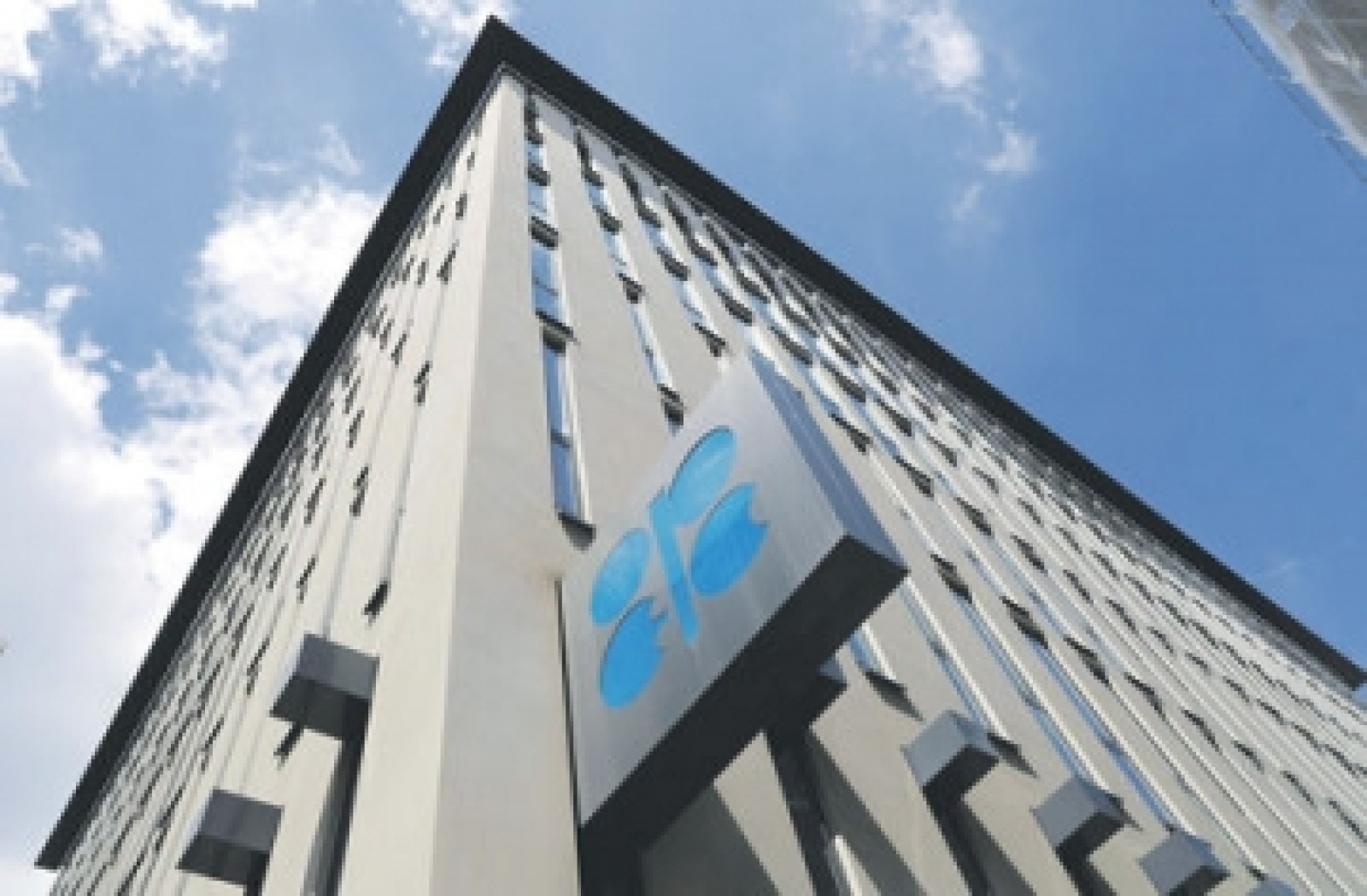
According to many international experts, the OPEC, which used to be in charge of the global energy market, now seems to be losing its control over it. The cartel is yet to fight for its place under the sun amid a new pricing-regulation reality.
The control over oil pricing is now shifting towards a new decision-making center. International experts belive that the new center will embrace the USA, Russia, and Saudi Arabia. For those of you who don't know, today's oil prices are determined mostly by the OPEC+ agreement signed by the cartel as well as some other non-OPEC oil nations led by Russia. Donald Trump's administration is now claiming their own seat at the decision-making table.
To make the OPEC+ participants more cooperative, Washington may well spread their anti-cartel legislation over the OPEC. According to Bloomberg, the cartel is already working on some counter-measures to respond if the US legislators do eventually approve the anti-cartel bill. It's interesting to note that the OPEC is consulting American lawyers on that matter. Within the next few days, they are planning to meet with White & Case LLP.
The OPEC participants want to get some recommendations on the next steps required to be taken if the NOPEC bill is approved and becomes a law. For those of you who don't know, NOPEC stands for No Oil Producing and Exporting Cartels Act. The bill was introduced by in May 2018. A couple of weeks ago, the Senate amended Sherman's anti-monopoly act of 1890. For those of you who don't know, this act destroyed John Rockefeller's Standard Oil Corporation more than 100 years ago. Supposedly, after passing the NOPEC bill, Washington will get the opportunity to sue the OPEC for manipulating oil prices.
Previously, Donald Trump criticized the cartel. He blamed the OPEC for artificially raising oil prices and urging the cartel to increase their oil production. At this point, the OPEC+ participants have already started raising their daily oil production within the scope of the modified OPEC+ agreement. As you probably know, back in late 2016, the OPEC+ participants agreed to cut their total production of crude oil by as much as 1,8 million barrels a day against the figures seen in October 2016. Later on, an oil production collapse in Venezuela led to exceeding the goal. This i basically why they decided to raise their total production by 1 million barrels a day. the decision was made during the recent OPEC+ summit in June 2018. Now it seems that the production hike goal is also exceeded.
Making a trinity union in the global energy market
The other day, cartel representatives reported that agreement execution dropped down to 121% in June. Some international observers call this the making of a new alliance between the USA, Russia, and Saudi Arabia. This alliance is expected to be coordinating the global market of crude oil.
The observers sat that this kind of an alliance have been existing for decades. It started as an alliance between the USA and Saudi Arabia to resist the USSR. So, Russia ma join the alliance as a major player in the oil market while all the other OPEC participants aren't taken into account anymore as they have a lot of economic problems and their decisions are easy to anticipate.
At the same time, some other observers don't belive that such a trinity union will actually come into existence at some point in the near future. They say that the USa cannot participate in agreements like OPEC+ because to do so, the US government needs to be able to regulate their own oil production quotas
The domestic American market of crude oil has a lot of oil companies, which makes it next to impossible to coordinate all of them change their production. The government can only regulate the export of crude oil. However, the USA can influence oil prices through regulating the circulation of U.S. dollars.
So, the USA's role in the global market is to back acceptable oil prices. Still, if the USA stops importing crude oil and starts consuming its own oil, the government's policy may change. In this case, American politicians will be more comfortable in regards to the Middle East and turn some of their allies into enemies. Given the fact that the USA wants to curb China's growth, American politicians don't mind disrupting the export of Middle Easter oil to China.
 Dmitri Lysenko



