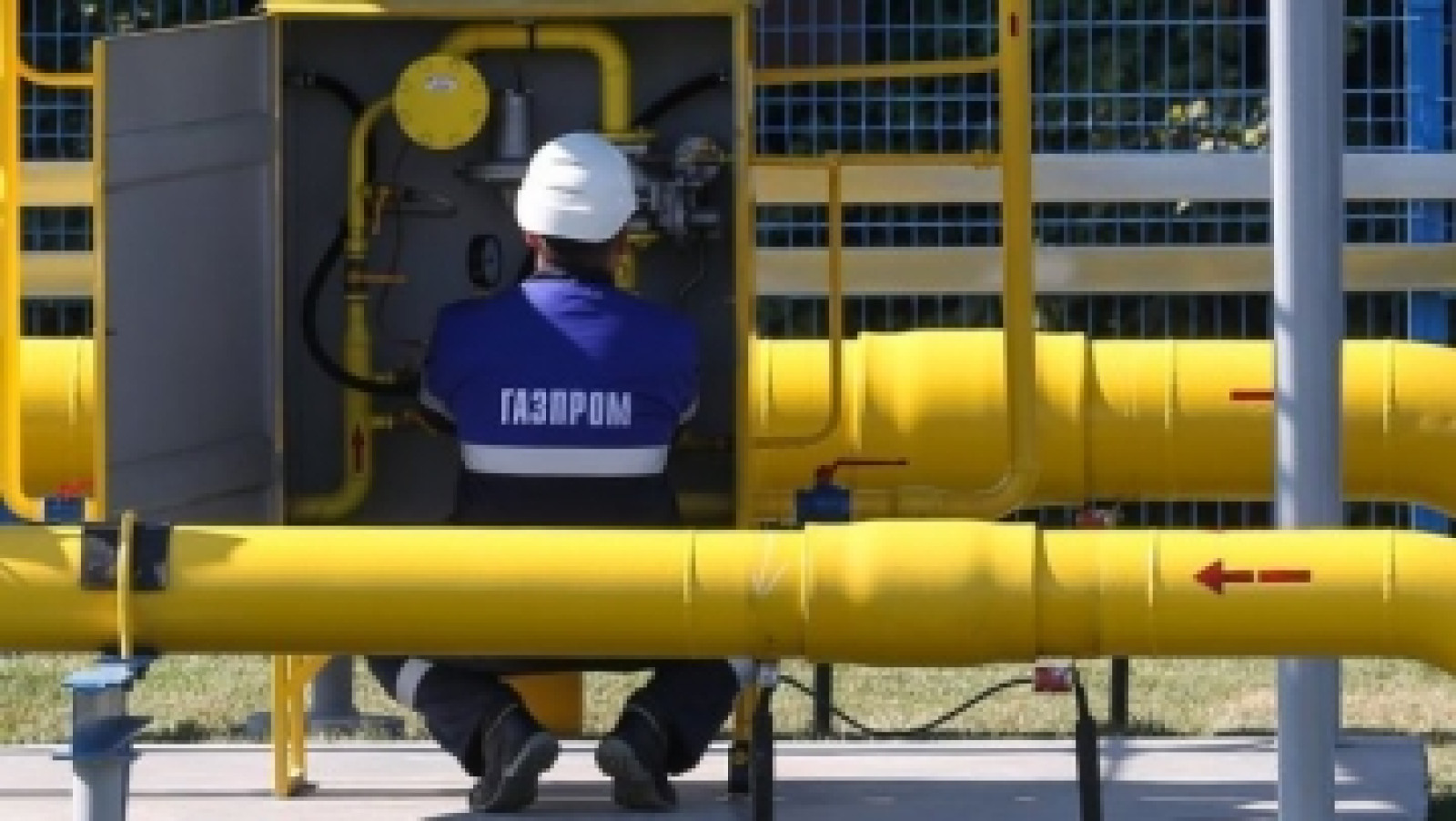
Washington is planning to increase the export of natural gas to Europe, which is expected to diminish Russia’s role as a major natural gas exporter to the European region. Experts say, that the policy aimed at expansion is now aimed at retaining the existing position in the European energy market.
For those of you who don’t know, Donald Trump signed a decree aimed at making America an energy superpower. As a part of this announcement, it was decided to expand the export of natural gas to Europe, which is also expected to reduce Europe’s dependency on Russian natural gas. At the same time, the U.S. government may cause extra troubles to Gazprom by means of sanctions.
At this point, there are several threats to the Russian influence over the global energy market. Experts say that Trump’s decision to increase the shipment of liquefied natural gas to Europe is designed exert extra pressure on Russia. So, this decision seems to correspond to Trump’s pre-election rhetoric, experts say. However, this rhetoric has little in common with commerce. It seems that Trump’s administration doesn’t have real control over the infrastructure deliver the promised LNG to Europe.
In reality. Most capacities are already in use, and neither President Trump, nor the U.S. Congress can do anything about it directly. The only thing that can actually make such big-scale aggregators as Shell deliver American LNG to Europe is higher NG prices, which is something Europe is not interested in for obvious reasons.
On the other hand, American sanctions can really undermine Gazprom’s position in the global market. The new sanctions against Russia recently approved by the U.S. Congress put any NG pipeline in jeopardy. The companies participating in the construction of Russian pipelines may be heavily fined. If to take into account the true scale of energy projects, delivering services and equipment to the amount of just 5 million dollars a year is literally nothing, which is why those limitations jeopardize any potential supplier participating in North Stream or Turkish Stream. That said the external conditions in the global energy market for Russia have become unfavorable.
The Ukrainian crisis started in 2014 and the Western sanctions against Russia clearly haven’t helped Russian sellers of energy carriers. Still, many European companies keep on working with Gazprom. However, the social opinion is clearly against cooperating with Russia. European governments have been trying to reduce their dependency on Russian energy carriers, which only makes green energy more popular.