Tatiana Kashyrskaia
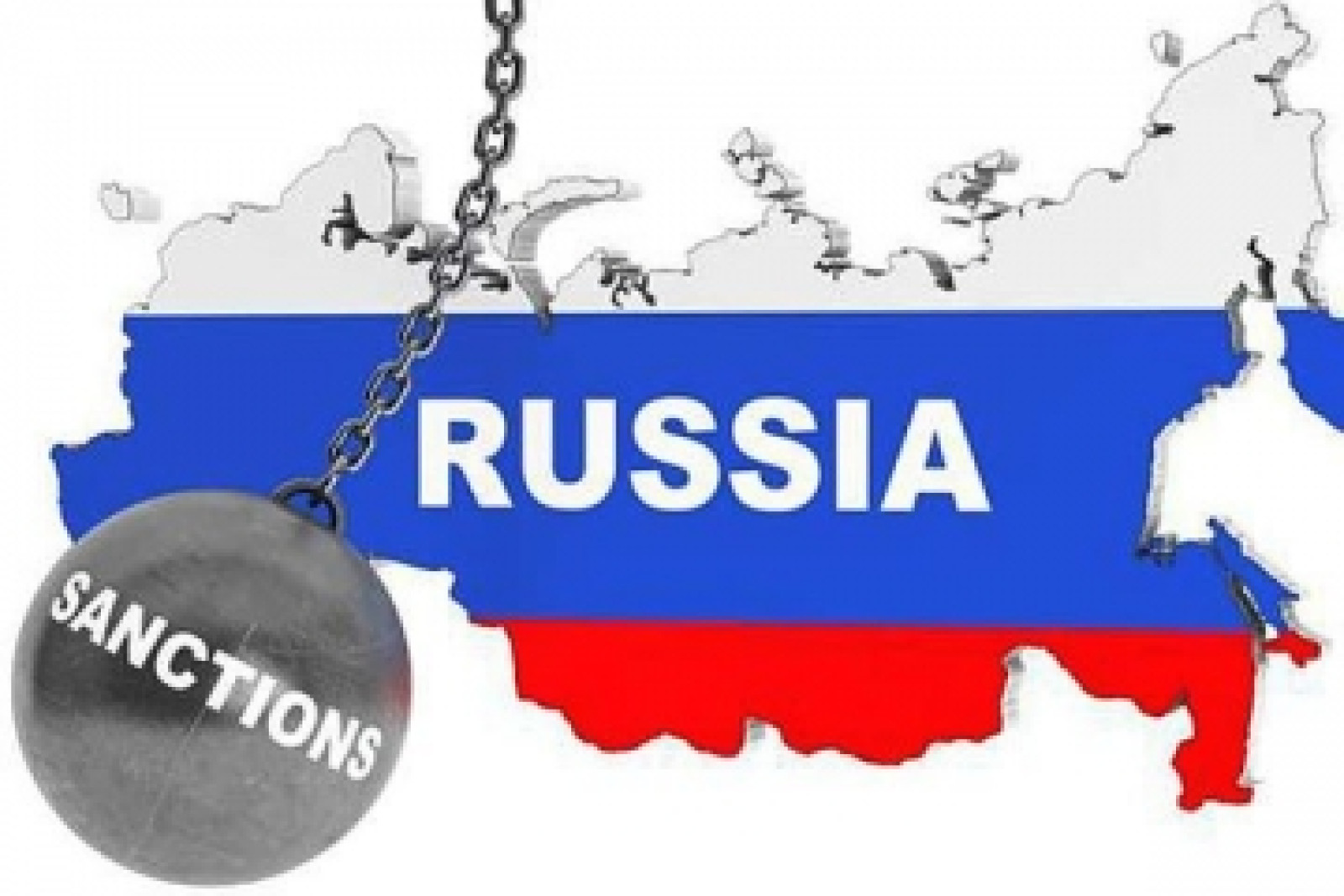
Today, the Russian political establishment and media are glad that the Senate of the U.S. Congress has recently postponed their voting on new sanctions against Russia. However, this is just the so-called “calm before the storm”, Western experts say.
The new sanction mechanism developed by the Senate is fundamentally different from the sanctions imposed on Russia previously, under Obama’s administration. The experts say that unlike Obama’s isolated decrees, the Senate has come up with a whole new mechanism taking into consideration the whole seriousness of Russia’s crimes in the global geopolitical arena. This mechanism will prevent the U.S. authorities from being able to cancel those sanctions gradually. So, the only way out will boil down to Russia leaving Donbass, the Crimea and Syria. So, this will be the only opportunity for Russia to see the Western world cancel those sanctions.
Another key difference of the mechanism that from now on the U.S. President won’t be able to decide on the fate of those sanctions. Instead, only the Senate will be allowed to impose new sanctions or cancel old ones. At the same time, the new portion of sanctions waiting to be approved is likely to touch more industries. Apart from defense and oil industries, the list is likely to be expanded to include gas, metal, transportation, mining and energy industries. On top of that, they may cut the period of external financing for Russian banks from 30 days all the way down to 14 days. Those limitations can be imposed on Russia’s federal and Euro bonds. At the same time, the U.S. Department of Justice is expected to get the right to impose sanctions on Russian individuals and legal entities if they are suspected of assisting terrorists.
The experts also divide the sanctions into official and unofficial. While official sanctions are often criticized for being relatively mild and inefficient, those unofficial sanctions a way more serious. For example, the Western world is said to have been working hard to cut down on oil prices to undermine the Russian economy. At the same time, they are said to have been taking over Russia’s traditional outlets like China. For example, they say that China has lost interest in Russia’s natural gas and is now switching to America’s liquefied natural gas.
Also, there is another type of sanctions. To be more specific, international investors now have to take into account the possibility of new sanctions against Russia and run their Russia-related business projects based on those risks. In 2013-2014, the amount of foreign investments in Russia dropped by 70%. This happened after the sanctions were imposed. So, it turns out that the USA’s sanction policy is a hybrid war in the global financial sector. As soon as Russia got used to low oil and gas prices, the USA started looking for new weak spots. That’s why America has been trying to oust Russia from Chinese markets. They say that American politicians are now thinking about isolating Russia from the SWIFT system of international payments. When trying to resist, Russia will have to consume the central bank’s financial reserves and devalue the national currency, gradually pushing the Russian economy to permanent stagnation. The predict that Russia will only be able to resist for the next 2-3 years.
 Tatiana Kashyrskaia