
 Tatsiana Ketrar
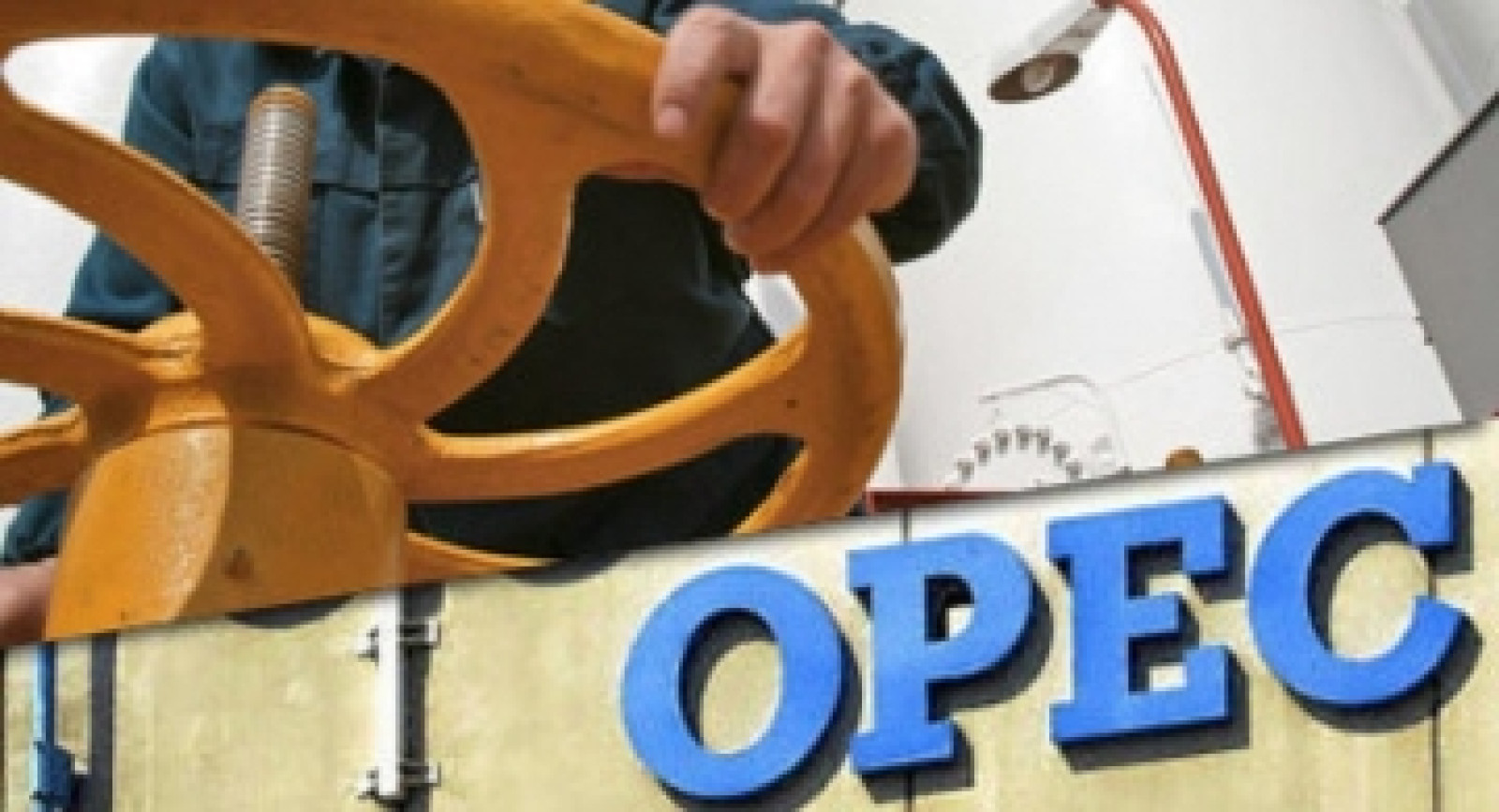
It looks like OPEC members declared a hybrid war on their rivals in the global oil market. The say something but do the opposite. This is what Morgan Stanley experts think on the matter.
For instance, previously the OPEC announced oil production cuts a number of times. On the one hand, there are no reasons to question their announcements. Maybe at times they do cut their oil production. On the other hand, their oil delivery is still the same. This means that despite all the promises and expectations, the international market of crude oil keeps seeing the same oversupply, which in its turn keeps on capping oil prices. Morgan Stanley experts assume that OPEC members are selling out their oil inventories. Indeed, if the inventories are full, why not benefit from this and manipulate rivals with higher oil production costs. The OPEC announces production cuts, everyone waits for oil prices to rally but nothing considerable actually happens.
According to the stats Morgan Stanley refers to, the OPEC complied with their obligations almost entirely (99%) in Q1 2017. However, if the cartel had cut their supplies along with production, they would have automatically yield some of their market share to other oil producers like Russia.
If production cuts are followed by shipment cuts, the later usually lags behind the former and usually doesn’t concern the key consumers. For example, despite the Vienna Accord implying production cuts, the OPEC boosted their oil shipping in the USA, China, Japan, Singapore, and South Korea by roughly 1 million barrels a day in Q1 2017.
The experts report that all the nations influencing in the international oil market to some extent have seen their oil inventories shrink over the last few months. At the same time, OPEC members still have abundant oil inventories, which gives them some space to implement beneficial scenarios. For example, as the world’s key oil consumers start seeing their oil inventories shrink, their oil futures start gaining value. In this case, delivering more oil to them is a piece of cake for the OPEC. This time the prices will be higher and more favorable for the OPEC, even though they will quickly drop after the deal, and their rivals will have to sell oil at reduced prices. The experts assume that the OPEC can do so throughout 2017. By that time, the OPEC will have exhausted their inventories if they keep on cutting their oil production. If the global demand for crude oil rises, the entire process will accelerate. For now, the fate of the entire international market of crude oil is still in the OPEC’s hands.
 Tatsiana Ketrar



