Alex von Stachelkopf
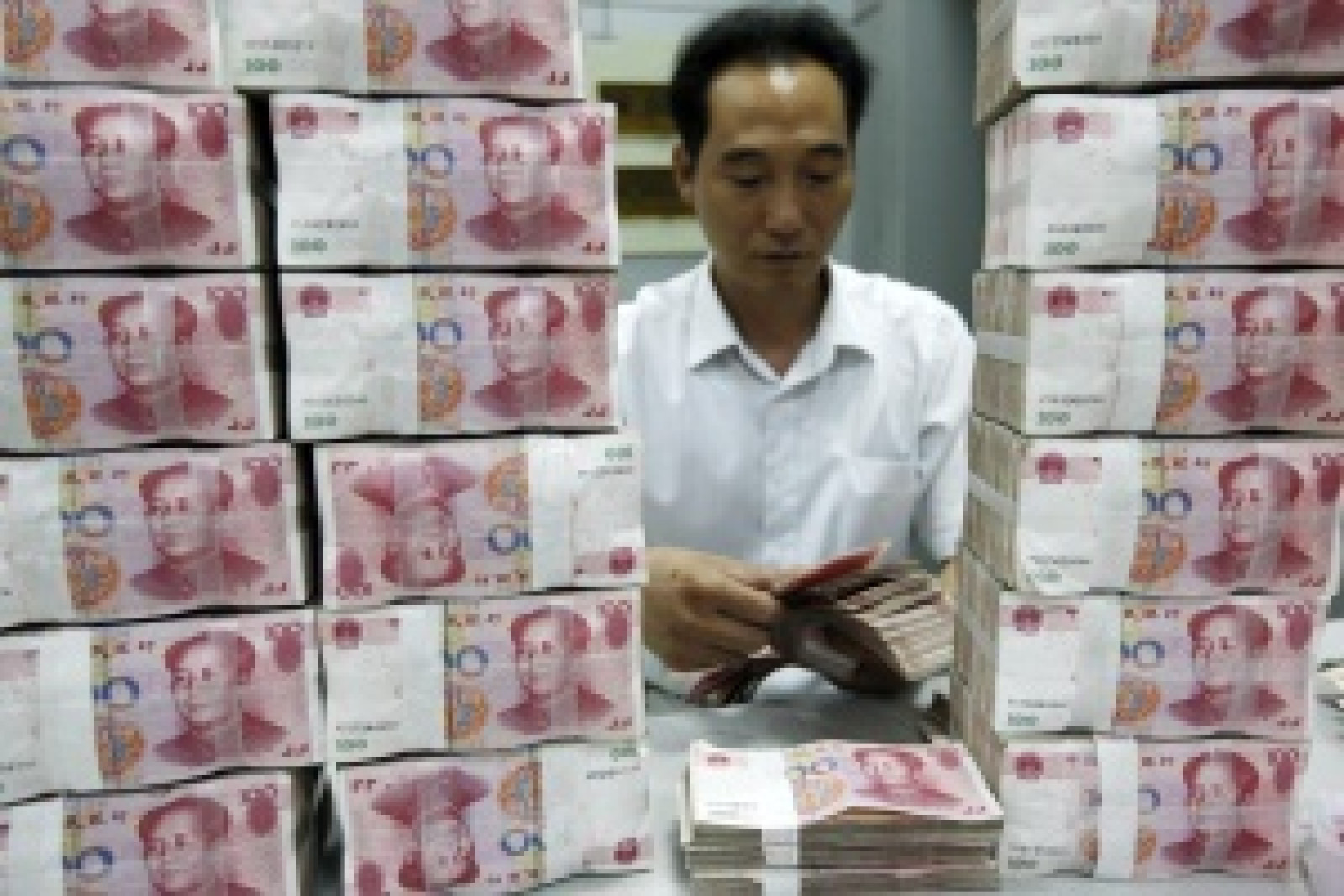
On October 1st, the Chinese Yuan was officially added to the IMF’s currency basket. Before yesterday, there used to be 4 reserve currencies over the last 15 years. Yesterday, the basket increased up to 5 reserve currencies – the U.S. Dollar, the British Pound, the common European currency, the Japanese Yen, and the Chinese Yuan (Renminbi).
For those of you who don’t know, on November, 30, 2016, the International Monetary Fund approved the application filed by Beijing and agreed to include the Renminbi in the IMF’s currency basket in 10 months. 10 months later, as you can see, the IMF officials kept their word and did it. Now, the Chinese Yuan is the world’s 5th reserve currency.
We also remind you that the IMF’s currency basket was founded in 1969 in order to define the value of SRDs, which stands for special drawing rights, the IMF’s payment unit. It is also interesting to note that the Chinese Yuan is now number 3 in the basket as it has got an 11% share. The U.S. Dollar retained its 40% share. At the same time, the common European currency had to yield some of its share to the Chinese Yuan. As a result, its share shrank from 37% all the way down to 31%.
Experts say that there is nothing to be surprised about this state of affairs since the role of the common European currency in international payments has been diminishing for the last couple of years. At the same time, they expect the global demand for the Renminbi to grow over time. It seems that the Chinese currency is going to win a considerable share in the currency reserves of many central banks around the globe, even though the central banks don’t have to copy the structure of the IMF’s currency basket. When considering these issues, we should also keep in mind that the Renminbi is not like the other 4 fellow currencies in the basket.
The thing is that the Dollar, the Euro, the Pound, and the Yen are all free floating currencies freely traded in the Forex market. Unlike all of them, the Renminbi is not a free floating currency, even though the People’s Bank of China allows a cretin deviation of the exchange rate within 24 hours, this is still controlled by the central bank and is subject to occasional currency interventions. The Chinese authorities try to keep the Renminbi exchange rate within the scope of a pretty tight range. Still, the expert community is mostly convinced that the IMF’s step to add the Renminbi to the currency basket was a well-thought-out decision.
 Alex von Stachelkopf