Edward Culchenko
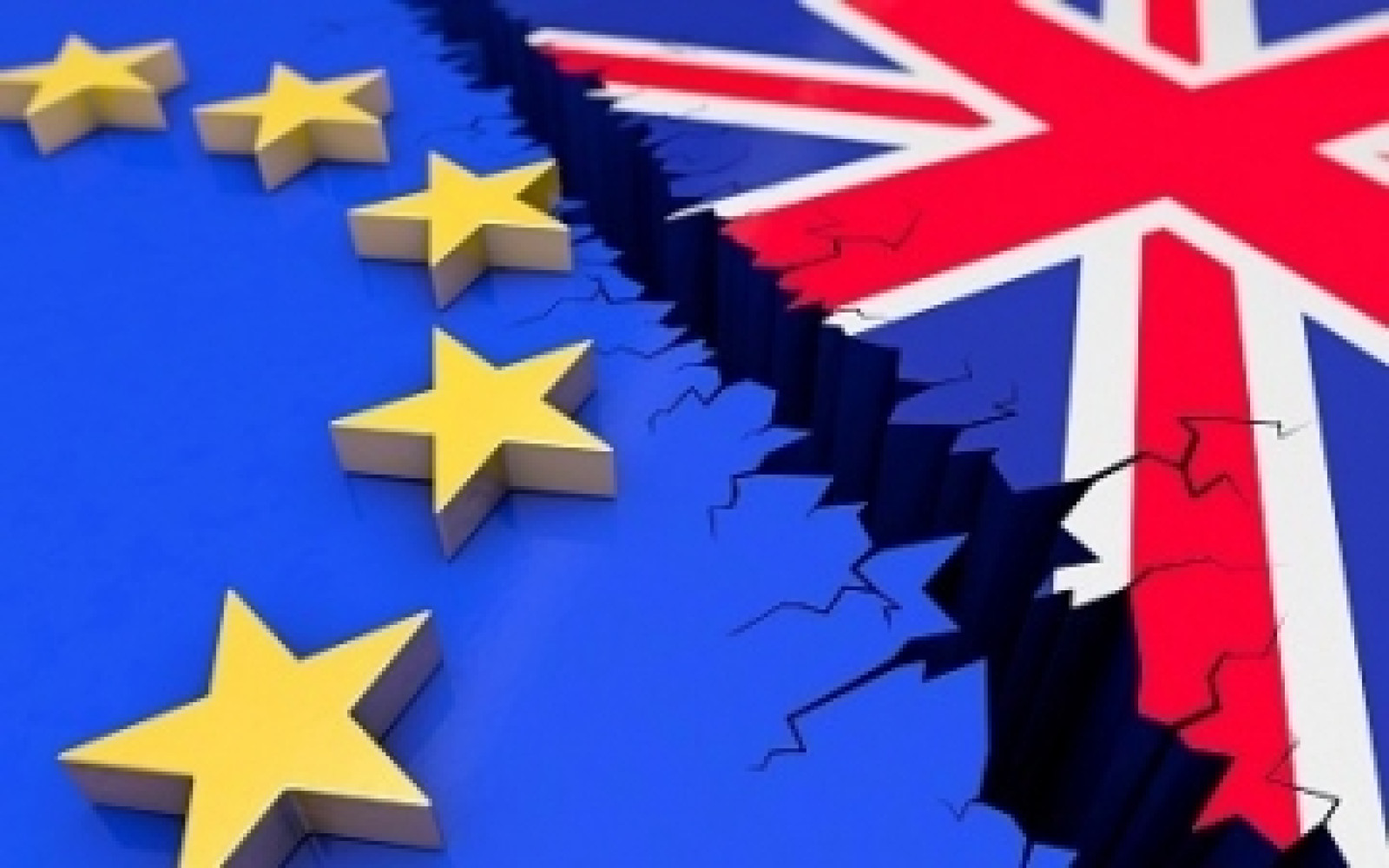
As you probably know, the United Kingdom is going to quit the European Union. At the same time, the UK definitely wants to retain its economic ties with the EU after the so-called Brexit, Masterforex-V Academy experts say. When it comes to economic relations with the European Union, Great Britain can follow the example of Norway, Switzerland, Turkey, or the WTO.
According to Deutsche Welle, backing the Brexit procedure is going to be the key challenge for Teresa May, who is the UK’s new Prime Minister. Another major challenge for here is going to be the attempt to retain as many of those ties with Brussels as possible, including, economic, political, and financial ones. As we have mentioned, in order to overcome the challenge, the United Kingdom may draw on the experience of Norway, Switzerland, Turkey, or focus on the WTO. Apparently, any of the mentioned models of economic and trade relations has its own specifics.
Norwegian Way
At this point, Norway, Lichtenstein, and Iceland have the closest ties with the European Union. Along with Switzerland, those 3 countries are members of the European Free Trade Association. On top of that, those 3 countries are members of the European Economic Area, ruled by 4 key freedoms, which are of fundamental importance to the EU. Those freedoms imply the free flow of capital, labor force, goods, and services.

On top of that, Norway participates in a range of the EU’s political formats, which collectively makes it the closest partner of the European Union. Sometimes, Norway is called a semi-EU member. The thing is that Norway also adopted 75% of EU laws. Still, the people of Norway voted against joining the EU during the past 2 referendums dedicated to that. The thing is that they tried to protect their domestic fishing and agricultural industries. The Norwegian model could provide the UK with the fullest access to the EU markets possible in this situation after the Brexit. Still, at this point, this model seems inappropriate for London from the political standpoint. The thing is that Great Britain is quitting the EU exactly because they don’t want to obey the EU laws. On top of that, Norway advocates the freedom of movement for EU citizens. The UK, on the contrary wants to quit the EU to stop the endless inflow of migrants. The financial benefits from following this model is questionable as well.
Swiss Way
Switzerland has less tight economic and financial ties with the EU. They do it within the scope of a less considerable area of free trade. To a great extent, here we can see free flows of labor force and goods, while there are some limitations in the agricultural sector. The specifics of economic relations between Switzerland and the EU are all about multiple agreements. All in all, there are some 120 agreements signed by the parties to date.
Still, some experts say that this bulky system is inefficient. That’s why the experts, including those working for Masterforex-V Academy, seriously doubt that Brussels is going to offer London this very model of economic cooperation.
Turkish Way
There is a customs union between Turkey and the EU, which has been there for 20 years. This union has been backing a relatively free flow of most goods. On top of that, trading steel, coal, and agricultural products is subject to preferential duties, which are mentioned in several standalone agreements.
If to evaluate the satiation for London’s side, the benefit of a customs union is the absence of a free flow of labor force as well as regular payments, which is something the UK really likes. Still, London also sees a big drawback in this kind of relations. Those privileges don’t cover the service sector and don’t back a free flow of capital. At the same time, we should keep in mind that even if London does chose this model, Brussels may well disagree to accept it since this is the format the EU rarely choose. To be more specific, apart from Turkey, this one is applied to economic relations with San Marino and Andorra. Turkey was offered this format amid the talks on Turkey’s EU membership.
Cooperating on WTO Terms
Having said that, more and more experts believe that the United Kingdom and the European Union will have to come up with a whole new model of economic cooperation. If the parties do fail to come up with it, they can always retrace to the WTO rules. Within the scope of such a format, British businesses will have the same rights as, for instance, New Zealand companies. The same holds true for customs duties. Still, there is a problem even in this case. The thing is that by quitting the EU, Great Britain will have to quit the WTO as well since it once entered the WTO automatically as an EU member. Anyway, everything can be settled if both the parties really want to cooperate.
 Edward Culchenko