Alex Borzak
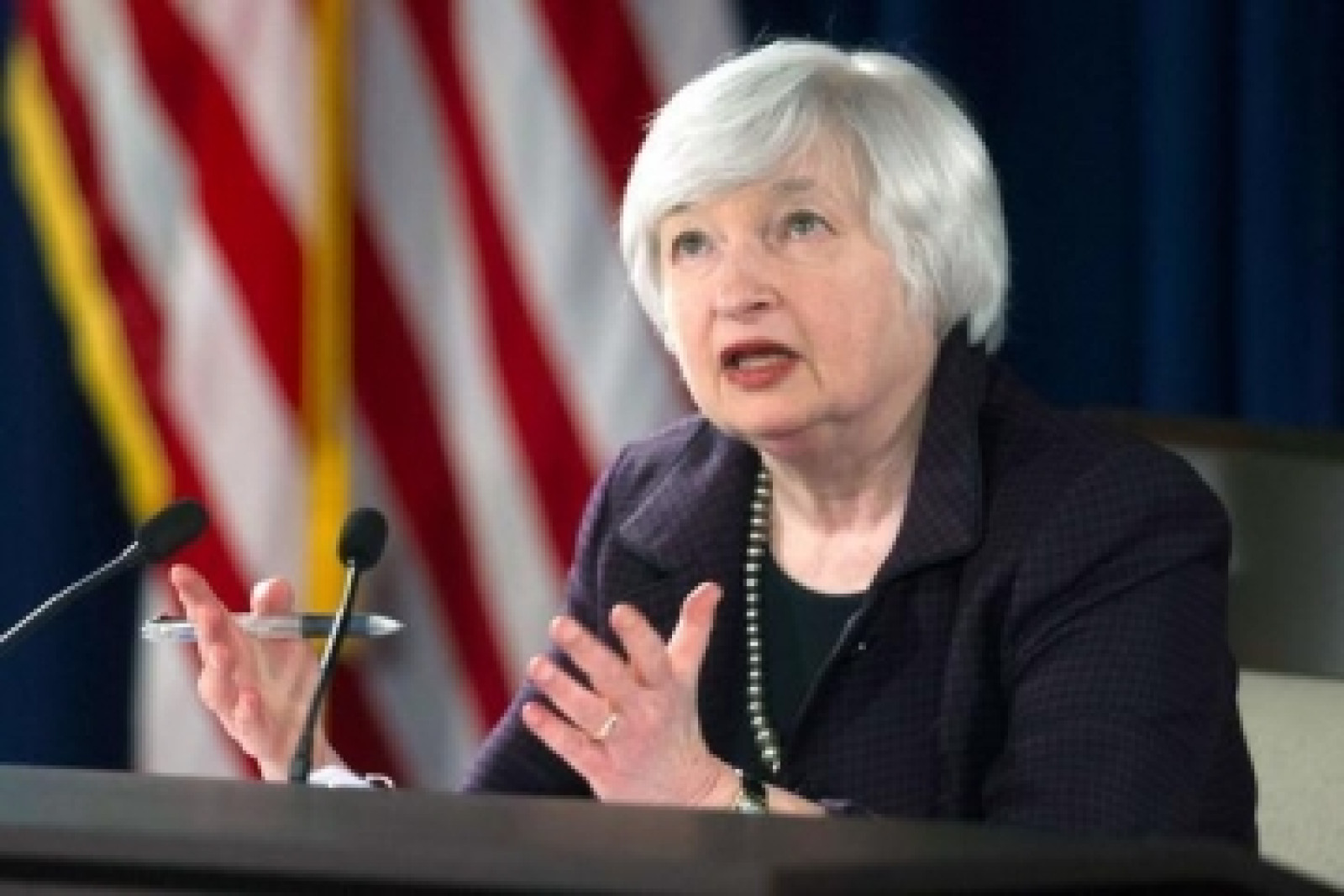
It is reported that the Fed’s FOMC members are still at odds over the idea of increasing the interest rates as promised. We remind you that the FOMC meeting is going to take place just in a few days (less than a week).
At the same time, the central banks of many countries with emerging economies ask the Fed to make up their mind and eventually start raising the interest rates since the uncertainty over the rates does them a lot of harm.
The expert for The Wall Street Journal assume that the Fed is finally ready to start a series of interest rate hikes for the first time over the last 9 years. At least they say that the Fed’s latest statements and announcements give us to understand and expect just that. One again, the Fed’s forthcoming FOMC meeting is going to take place in mid September.
The supporters of the idea to raise the key interest rate from the current 0,25% (which has been at this level for 7 years) say that such a step is going to result in some positive improvements in the U.S. labor market. According to several reports, in mid summer the USA had around 6 million vacancies all across the country, which means that there is a lack of skilled workers in some industries. This is expected to trigger salary growth, which in its turn is going to back higher inflation. By the way, the current rate of inflation (which is at its lows) is a point of great concern for local economists.
At the same time, experts say that a stronger dollar and ultra low oil prices are currently hindering inflation growth in the USA while an economic slowdown in China coupled with the recent Chinese stock market crash is provoking instability in the U.S. stock markets and other stock markets around the globe. All of that is important to take into account. Still, the experts say that most of the signals coming from the USA are reassuring and supporting the chances of an interest rate hike.
However, there are some factors chilling the expectations. In particular, some FOMC members assume that the idea of raising the rates should be delayed for a couple of months. At the same time, some experts believe that such a step may trigger market panic and shocks around the globe given the current economic process seen worldwide. A new economic crisis may break out, thereby forcing a flight of capital from emerging markets. As the result, emerging currencies will start devaluing against the U.S. Dollar. If this is the case, the U.S. Dollar whill get much stronger, thereby affecting the American exports and the entire economy, which not what the Fed wants.
 Alex Borzak