Alex Borzak
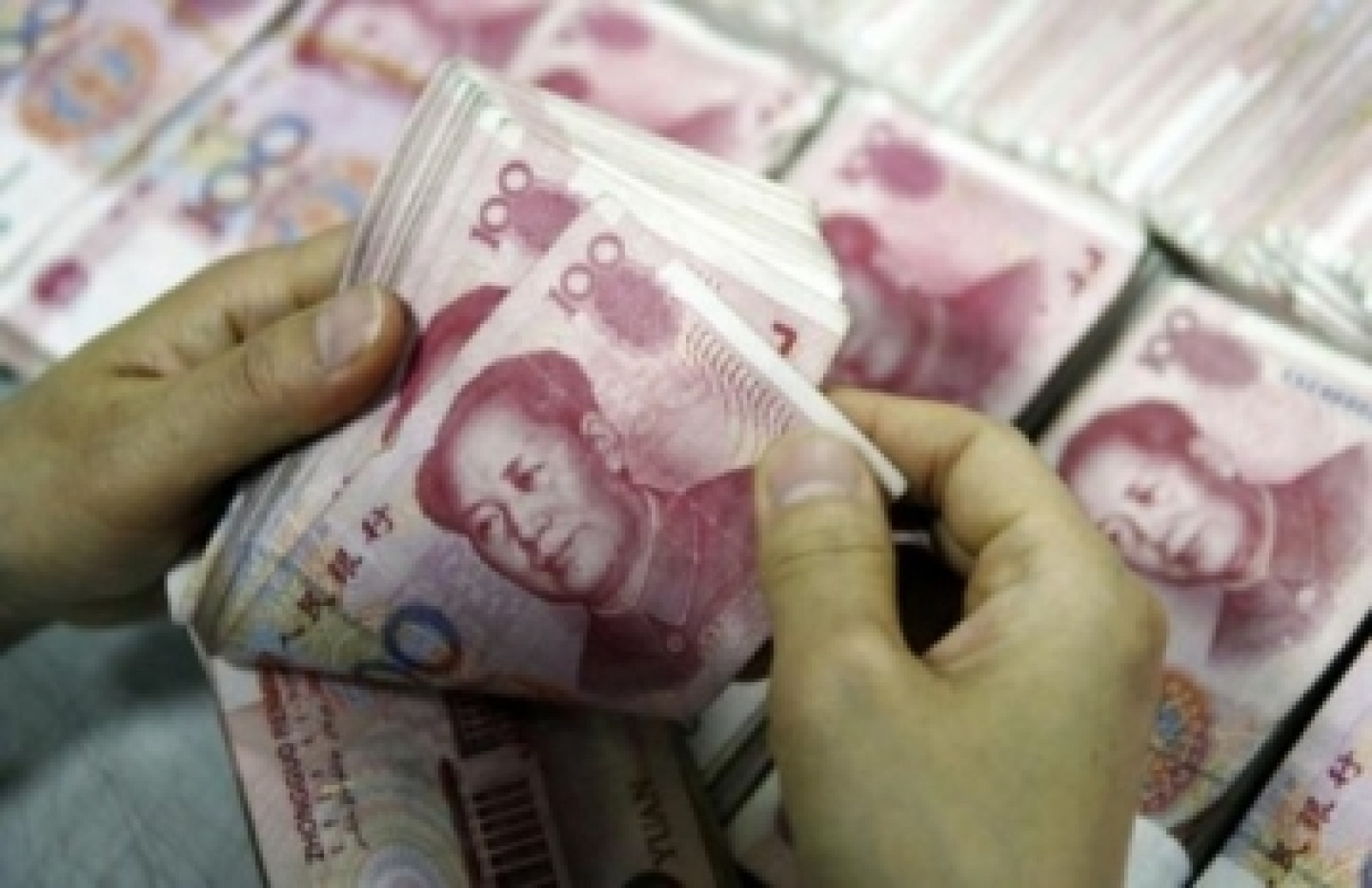
Last Tuesday, the People’s Bank of China made an unprecedented step by devaluing the Chinese Yuan by as much as 1,86%. The Chinese authorities assured everyone that this is a one-time step. However, over the next 2 days, the Renminbi lost 1,62% and 1,12% against the U.S. Dollar respectively. As the result, the Chinese currency was devalued down to 6,4 CNY per 1 USD. This is the lowest CNY rate since 2011, Market Leader reports.
Masterforex-V Academy tried to investigate into the matter to find out who is interested in the devaluation of the Chinese national currency.
First off, this is the biggest devaluation in 20 year, which took place without clear institutional changes. Back in 1994, the Renminbi lost 33% of tis value almost in an instance. However, this happened mainly due to the merger of two separate currency markets. 10 years ago, the Renminbi lost 2,1% of its value in a mater of hours. At that time, the devaluation was triggered by the fact that the People’s Bank of China decided to unpeg the Chinese Yuan from the U.S. Dollar and switch from fixed currency rates to floating rates relative to the basket of the currencies of China’s major trade partners. This is the time when the People’s Bank of China set a certain range to cap all those daily changes in the Renminbi exchange rate and to avoid force-majeure.
Basically, this time it is all about changing to approach to pricing once again. In other words, China’s central bank has changed the way it prices the national currency. From now on, the Chinese Yuan exchange rate is going to be set based on the value of the previous trading day. This means that the currency may devalue by 2%, which is what happened last week.
It should be noted that the mentioned devaluation triggered the so-called domino effect in the Asian region, thereby devaluing the national currencies of other Asian economies. At the same time, chances are that other emerging economies are going to devalue their national currencies as well in order to back the competitiveness of their exports in the international arena. Meanwhile, shortly after the devaluation of the Chinese Yuan, most of the emerging stock markets plunged as well.
On top of that, China is the world’s biggest consumer of commodities, which means most of them are imported. While a cheaper national currency makes imports more expensive, China is likely to cut down on its imports of commodities, which ma trigger another market plunge in commodity markets along with the stocks of related companies. At the same time, those the stocks of those tech companies that benefit mainly from the Chinese market are expected to drop in value as well.
Strong Yuan – Problem For China
Over the last 12 months, the nominal USDCNY exchange rate has seen a minor change – from 6,15 in August 2014 to 2,21 in August 2015. At the same time, the actual exchange rate adjusted for inflation changed by as much as 13% in July (y/y). Such a considerable change makes Chinese products less affordable, especially as other Asian economies are working on the competitiveness of their exports. And currency devaluation is on the list of the measures the have taken.
A strong national currency resulted in a PPI drop down to critical levels in July. Wholesale prices are seeing deflation, which is reflected by consumer prices. Therefore, a weakened currency is expected to back stable yet minor price growth.
On top of that, some sources say that the sellers of the Chinese Yuan have generated considerable trading volume since July 2014, which is equal to 400 billion dollars. This leads us to believe that the Renminbi should have devalued gradually while the People’s Bank of China had to spend its reserves, which is pointless over the long term. That is why China’s central bank decided to kill two birds with one stone. In other words, a cheaper Yuan supported the exports and back the acceleration of the economic growth. At the same time, as China is getting more weight in the international arena and its currency is getting more popular in international trading, the IMF may eventually include it in the basket to calculate its SDRs. In order to let that happen, China needs to make the CNY exchange rate determined by the market. The IMF revises the basket once in 5 years. In November 2015, we are going to find out whether the Renminbi will be included in the IMF’s basket of currencies in 20
 Alex Borzak