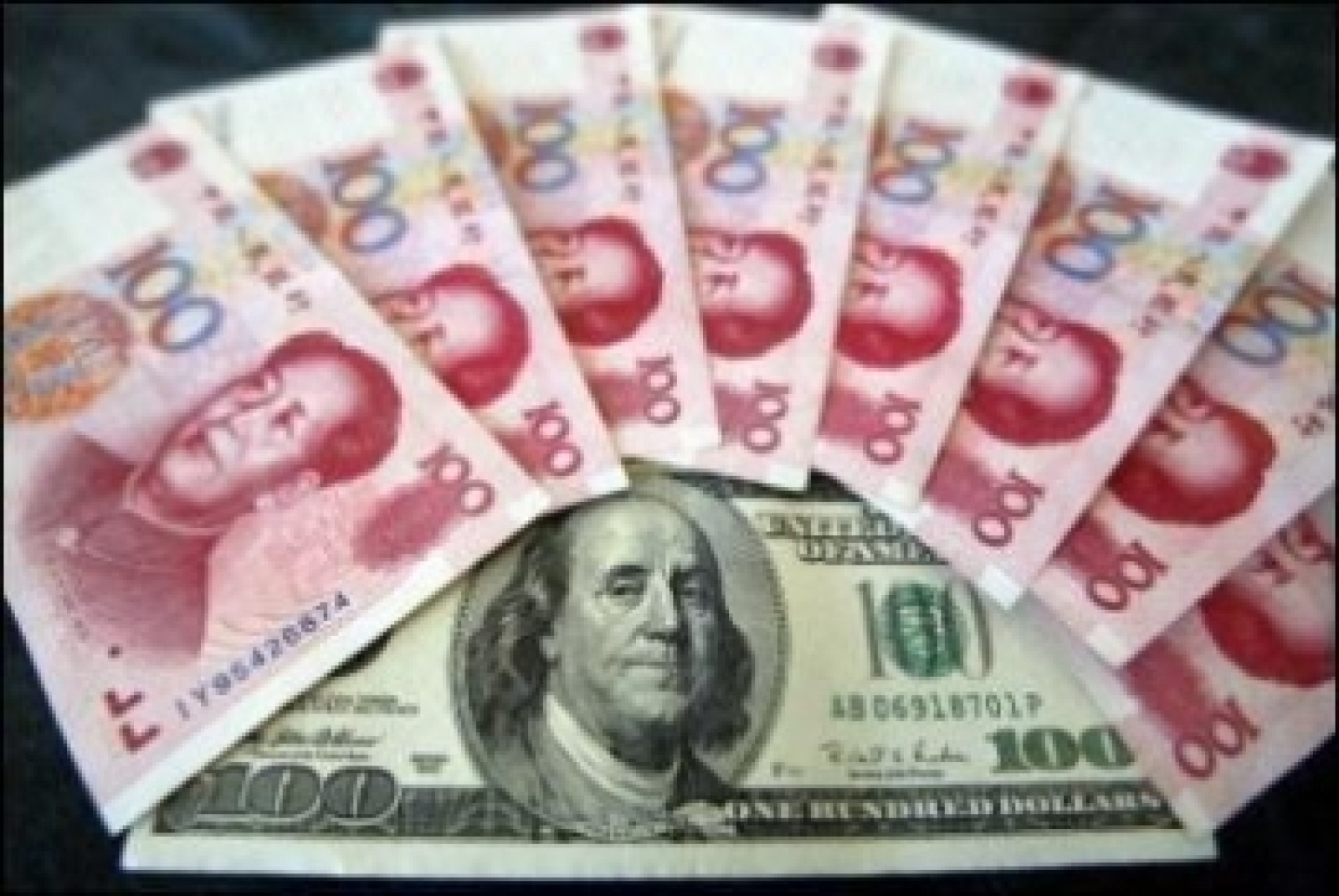
China’s decisions to devalue its national currency testifies to the fact that the Chinese financial authorities (The People’s Bank of China in particular) are currently changing their mechanisms of controlling the Chinese financial and banking system. Indeed, this is the biggest devaluation of the Renminbi since 1994. Apparently, it is not accidental and has some goals to pursue.
More and more experts assume that this devaluation is not about easing the regulation, is it about changing the mechanism of implementing this regulation and exercising control over the local financial system. In particular, the People’s Bank of China decided set the Chinese Yuan exchange rates (USDCNY in particular) based on the close price of the past trading session. It looks like a market measure in itself.
It should be noted that the Chinese government has been criticized for reluctance to implement reforms for a long time. They say the Chinese authorities are obsessed with stability, which sometimes hinders development. That is why this decision can be considered ax breaking news. Still, if to consider the conditions under which this decision was made, they make the market show a more reserved reaction.
The endless disputes about the real value of the Chinese national currency has been going on for a long time. In particular, the USA and the IMF insist that China has been undervaluing its national currency deliberately to make its exports more competitive, thereby backing Chinese exporters in the international arena.
However, it is right now that China desperately needs currency devaluation since according to Oxford Economics’ calculations, in order to improve the current state of affairs in the Chinese financial system up to last year’s level, the Renminbi should be devalued by 10-15%. That is why the Chinese authorities decided to devalue the national currency.

Today, the Chinese government has faced a dilemma. On the on hand, Beijing is interested in boosting domestic consumption in the long run, which requires a strong national currency. On the other hand, a major decline in the Chinese export-oriented industries, which employ some 200 million people, may eventually result in an export crash leading to bankruptcies, mass layoffs and social unrest. With that said, the Chinese Yuan exchange rate is a major weapon and it is way too important to just ignore it
That is why, we can conclude that the latest decision to devalue the currency is a sign that the Chinese financial authorities decided to exercise another type of financial control. It is not a sign of some financial liberalization.
At this point, the internal Chinese market is closed for foreign investors. That is why the market cannot affect the Chinese Yuan the way it has been affecting the Russian Ruble over the recent months. Still, The People’s Bank of China’s decision to devalue the Renminbi came as a shock to financial markets worldwide.
It should be noted that on August 11th, the People’s Bank of China decided to to devalue the national currency by 1,9% - the biggest drop since 1994, when the Renminbi crashed by 30% at a time as the result for switching to a market economy.