
 Alex von Stachelkopf
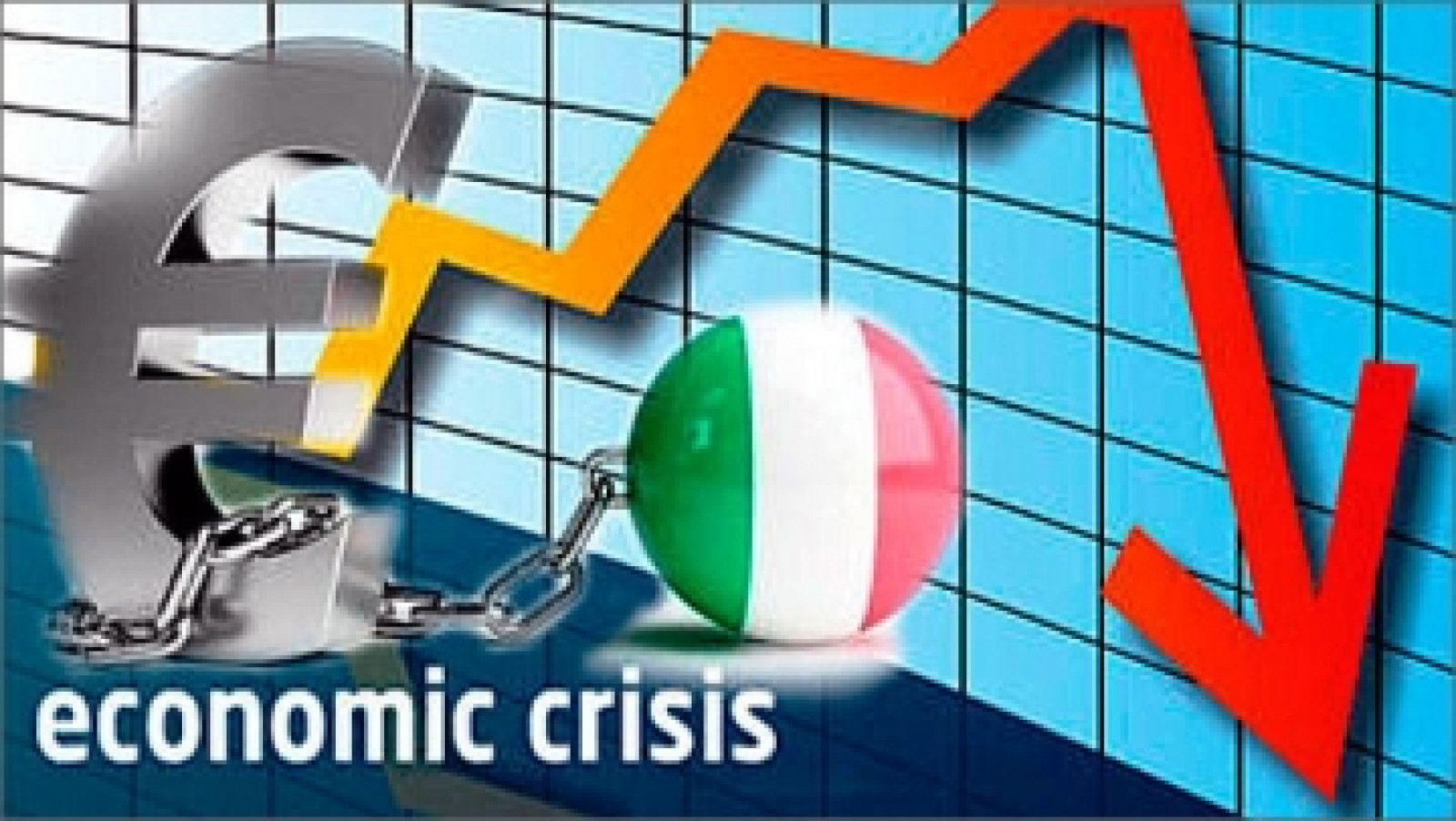
Emergency meetings follow each other. Eurozone nations are trying to save Greece. At the same time, experts have raised the alarm - Italy seems to be the next Greece. Yet, this time, if that’s the case, the Greek crisis will seem nothing compared to the Italian one.
Stagnating economy, huge debt, inefficient governmental etc. these are some of the multiple problems Italy is currently facing. A couple of years ago, Italy used to be a point of major concern for the entire Eurozone. However, Italy has proved strong since then. Financial markets quit betting against Italy at some point in the past but that’s not the end of the game, they experts say…
For starters, Masterforex-V Academy reminds that Italy is the 3rd biggest Eurozone economy. It is currently stagnating as the local financial and economic authorities don’t seem to know what to do about it.
It is interesting to note that most small-scale businesses in Rome prefer to close for in August since it is vacation time and visitors are scanty. However, over the last couple of years, the situation has changed since people prefer to stay at home and save some money while businesses have to stay open no matter what in effort to earn extra profits. His is the first wake up call. People stop spending money. The try to save on everything they can save.
There is no denying the fact that the overall economic and financial situation in Italy has been changing over the last few years. Italians are aware that the existing financial problems aren’t short-term issues that can be easily fixed in a matter of months. This has become a standard of life.
Of course, the Italian industrial production increased by 3% in Q2 2015. This gave Matteo Renzi - a young Italian Prime Minister – a leg to stand on, i.e. to say that these figures prove the efficiency of his reforms. The list of reforms includes 80 EUR discounts for people with low incomes, privileges for investors amid spending cuts (on pensions and salaries). He also says that it is thanks to him that the unemployment rate in Italy decreased a bit.
However, experts say that the authorities are simply putting a false front. The ting is that most unemployed Italians are not included in the official stats the rate is based on since the simply refuse to register with labor exchanges. Still, even the official rate of unemployment is pretty high for a developed economy – 12,5%. At the same time the recent growth is the result of of a weak Euro artificially depreciated by the ECB to make European exports more competitive and flood Europe with cheap money and cheap crude oil. As the result, it became easier to get loans while the Italian goods turned more competitive abroad. Still, it is not about any improvements in the Italian economy since there are no such improvements despite the fact that the Italian Prime Minister is trying to persuade us that everything is different. He even promised tax rebates to the amount of 40-50 billion EUR over the next 5 years. In particular, he is planning to cancel the tax on residential property.
However, this step is hardly efficient and can help Italy to save the day, especially if to consider the fact that the Italian debt is already over 135% of the national GDP. Greece is the only Eurozone economy with a bigger debt.
It should be noted that Matteo Renzi used to be the supporter of Greece, backing the initiative to ease the austerity requirements. However, later on, he had to join the majority and made Alexis Tsipras surrender and accept the austerity requirements put forward by the lenders in exchange for further financial support. The thing is that if Greece had defaulted on its debt and hadn’t bee saved, Italy would have lost 40 billion EUR, which is a very big amount of money for debt-ridden Italy.
Biggest Threat to Italian Economy
An attack of major financial speculators seems to be the biggest threat to the Italian economy. Italy already suffered from such an attack a couple of years ago. Still, they say the economic situation in Italy is more stable than it used to be at that time since the local authorities conducted some urgent reforms urged by financial markets.
Italy is still afraid of the domino effect in case the situation in Greece goes out of control at some point in the future. It is interested to note that the Euro integration project is based on solidarity, conflict avoidance, mutual support and growth. However, in reality we can see a major confrontation between Greece and Germany. Still, Greece has to conduct the required reforms to start improving the current state of affairs in the national economy.
 Alex von Stachelkopf



