
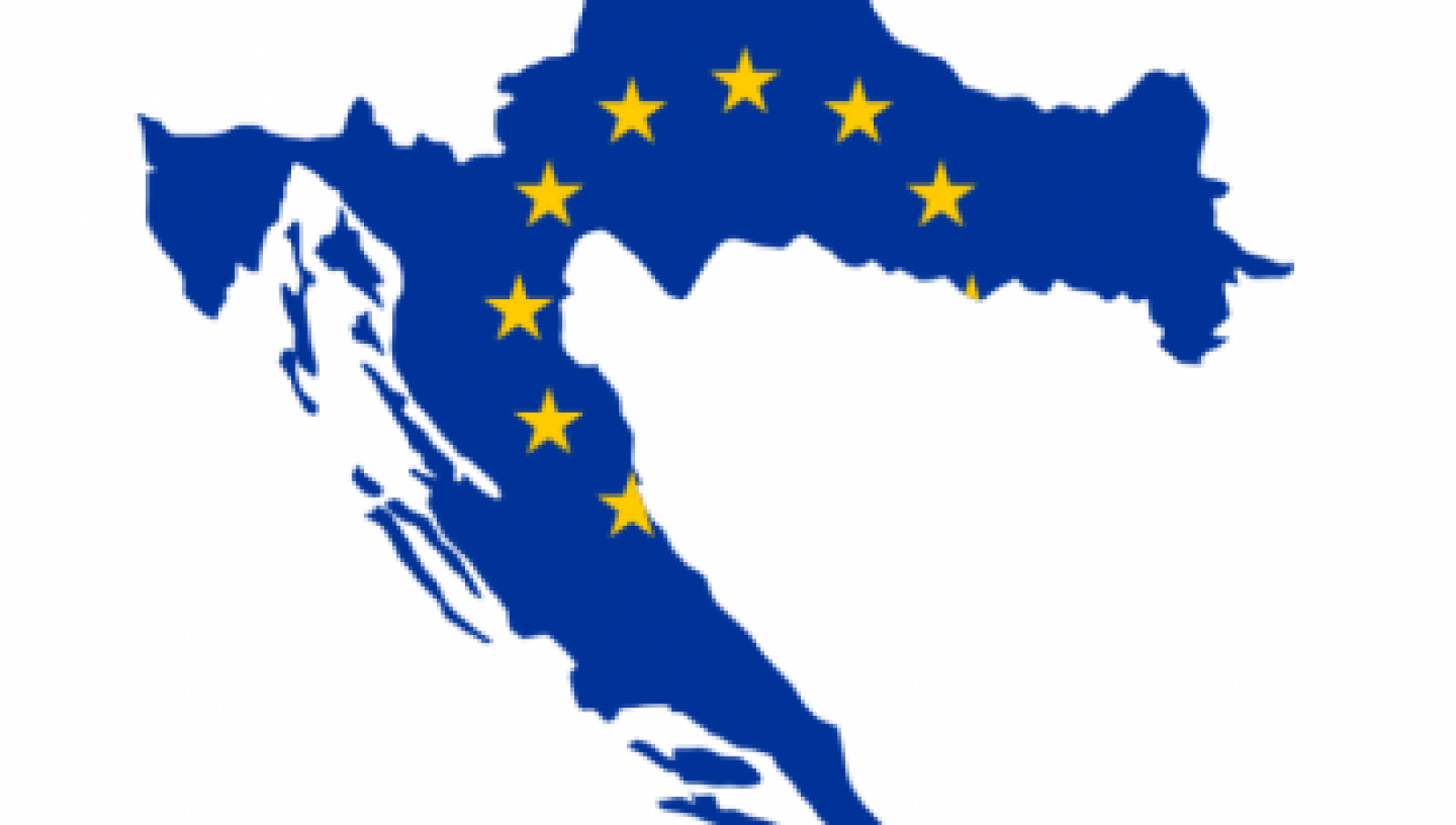
On July 1st, Croatia officially entered the EU. At this point, there are 28 members of the European Union. Some experts say that if the union survives the decade, there will be no further expansion. Probably, Croatia is the last new member of the EU – the most ambitious project of the Old World… Or maybe Croatia made the right choice and is waiting for a brighter future as an EU member? At this point, everything looks unstable and uncertain, which means it is rather difficult to make predictions about the destiny of Europe.
On The Way To Success…
Croatia has experienced several major shocks over the last few decades. First, it paid a huge price (dozens of thousands of killed and some 500 000 refugees) to become an independent state after coming out of Yugoslavia. The desire to abandon the “communist heaven” was explained by the desire to enter the new “capitalistic heaven” in Europe.
It should be noted that Croatia had to meet a lot of tough conditions in order to join the EU, including the implementation of a range of complicated structural reform of political and economic nature.
The Croatian legislation was change so as to correspond to the EU standards. Those political powers that ruled the country in the 1990s had to resign. As for the civil war in Yugoslavia, Croatia extradited all those participants of the war to the Hague Tribunal that were considered war criminals. At the same time, the new authorities declared a real war on corruption. As a result, a lot of top-ranking officials were punished.
In March 2013, Štefan Füle, European Commissioner for Enlargement and European Neighbourhood Policy, said that Croatia can boast its achievements and is a proud member of the European community.
Croatia applied for the EU membership in 2003, when the union was on the rise. The failed European constitution referendums in France and the Netherlands caused the institutional crisis in the EU only 2 years later.
In 2004 the EU expanded its territory by welcoming 10 new members at a time. In 2007, Romania and Bulgaria joined the EU. As a result, the union got more problems.
In 2008, the global financial crisis broke out. The EU suffered a lot from it, while being partially responsible for the crisis.
In 2010, the EU suffered from the sovereign debt crisis, which threatened the eurozone and its common currency. At that time, experts started questioning the reasonability of uniting such different countries within a single artificial union.
As a result, skepticism outweighs positive expectations today. It is not accidental, that more and more experts say the EU won’t expand until 2020 anymore. Some of them say that the union may see contraction.
Anyway, Croatia was disciplined enough to meet all the requirements in order to become an EU member. It even became a NATO member in 2009 and frequently sent its troops to various hot spots around the globe. During the referendum held in 2012, 66% of the participants expressed their desire to enter the EU. Today’s surveys show that only 23% of the respondents are still don’t mind joining the EU.
EU Membership: Possible Consequences For Croatia
Croatia is not going to switch to the Euro currency and enter the Schengen area in the near future. Still, experts are afraid that Zagreb won’t be able to maintain the stability of its national currency for a long time. At the same time, if the common currency replaces Croatia’s national one, this will mean a major increase in retail sales across the country.
Those times when the EU membership automatically led to economic growth are gone. it should be mentioned that the Croatian economy has been in recession for the 5th consecutive year. The rate of unemployment has already hit 18%. Last year, the overall budget revenues were around 6,8bn euro, with 15% of the sum coming from the local tourist sector.
Positive. The EU is expected to sponsor the Croatian economy. At first, annual subsidies will be around 800 million euro. Later on, when Croatia settles in relations with all European funds, the amount is expected to grow dramatically. EU commissioners say that after Croatia joins the European Union, some 70% of public investments will be made at the expense of the EU. Croatia is expected to see its overall investment attractiveness growing since joining the EU. At the same time, the Croatians will be able to travel across the EU without limitations. However, some EU countries introduced job limitations for the Croatians.
The chart below, courtesy of Masterforex-V Academy, reflects the current state of affairs in the market of EURUSD.

Negative. Still, the Croatians are afraid of higher unemployment and a loss of control over the key economic sectors. They are also afraid of income freeze, illegal migrants and tougher conditions for small- and mid-scale businesses. Another major problem is that Croatia will have to introduce visas for foreign tourists leaving outside of the EU. This may well scare them away, thereby affecting tourism, which is a key industry in Croatia.
What Does Croatia’s EU Membership Means To Other Countries?
For the EU, this is a benefit rather than a drawback. Croatia’s economy is some of the most competitive and viable economies in the union. Yet, it is about geopolitical acquisition – the EU’s territory has expanded to reach the Adriatic sea. Moreover, after another former member of Yugoslavia joined the EU, Brussels’ influence in the Balkans should strengthen.



