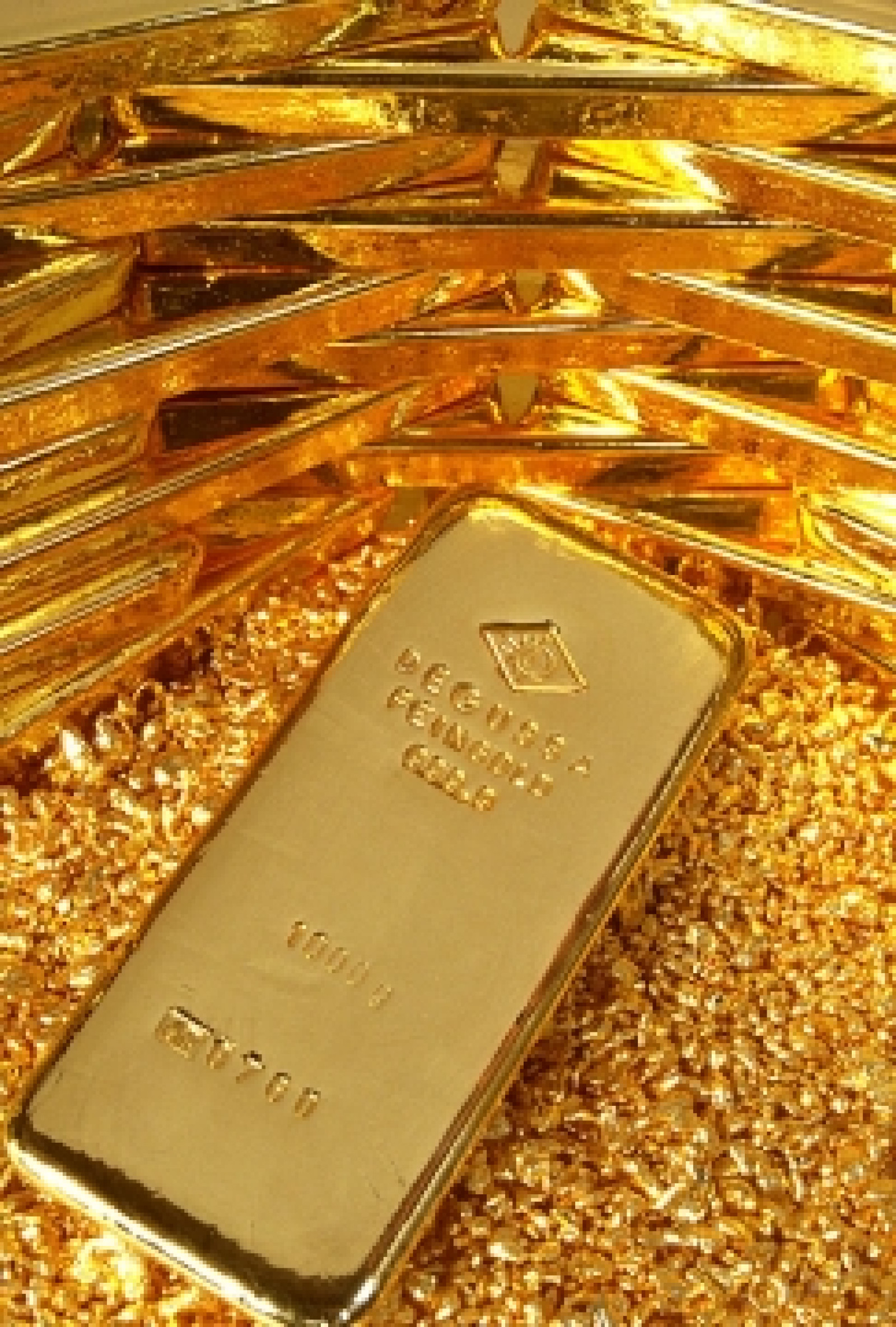
Despite the fact that August is a “dead” month for Chinese jewelers, the demand for gold bullions is growing. In Shanghai people keep buying 50g and 100g bullions.
The recent gold rally caused a rapid increase in the demand for this precious metal. The physical purchases of gold grew by 30% as compared to August 2010. The rural population of India is believed to be the biggest consumer of gold. However, China now seems to catch up with India. Some analysts say that the demand shown by these 2 countries will push gold prices further up in long-term perspective.
Also they say that deep retracements like the one we say last week – $1900/oz down to $1820/oz – will be followed by further rallies because investors see such retracements as a good opportunity to buy more gold. A range of analytic agencies and banks, including JP Morgan, expect gold to hit $2500/oz by late 2011.
The spot price of gold is growing as well. Numerous banks around the world make money on gold ETFs (paper gold). Such investments are getting increasingly popular because of low costs. Swaps look even more tempting than ETFs.
The market of gold now seems to be entering the stage of a flattish (range) movement. Some fundamentals (no certainty about QE3 and the eurozone’s debt crisis) confirm this supposition.
According to the Department of Commodity trading, , technically, gold keeps moving in the same range between 1900 and 1700. At this point there are no reasons for gold to come out of the price range.
.jpg)