Nataly Kambur
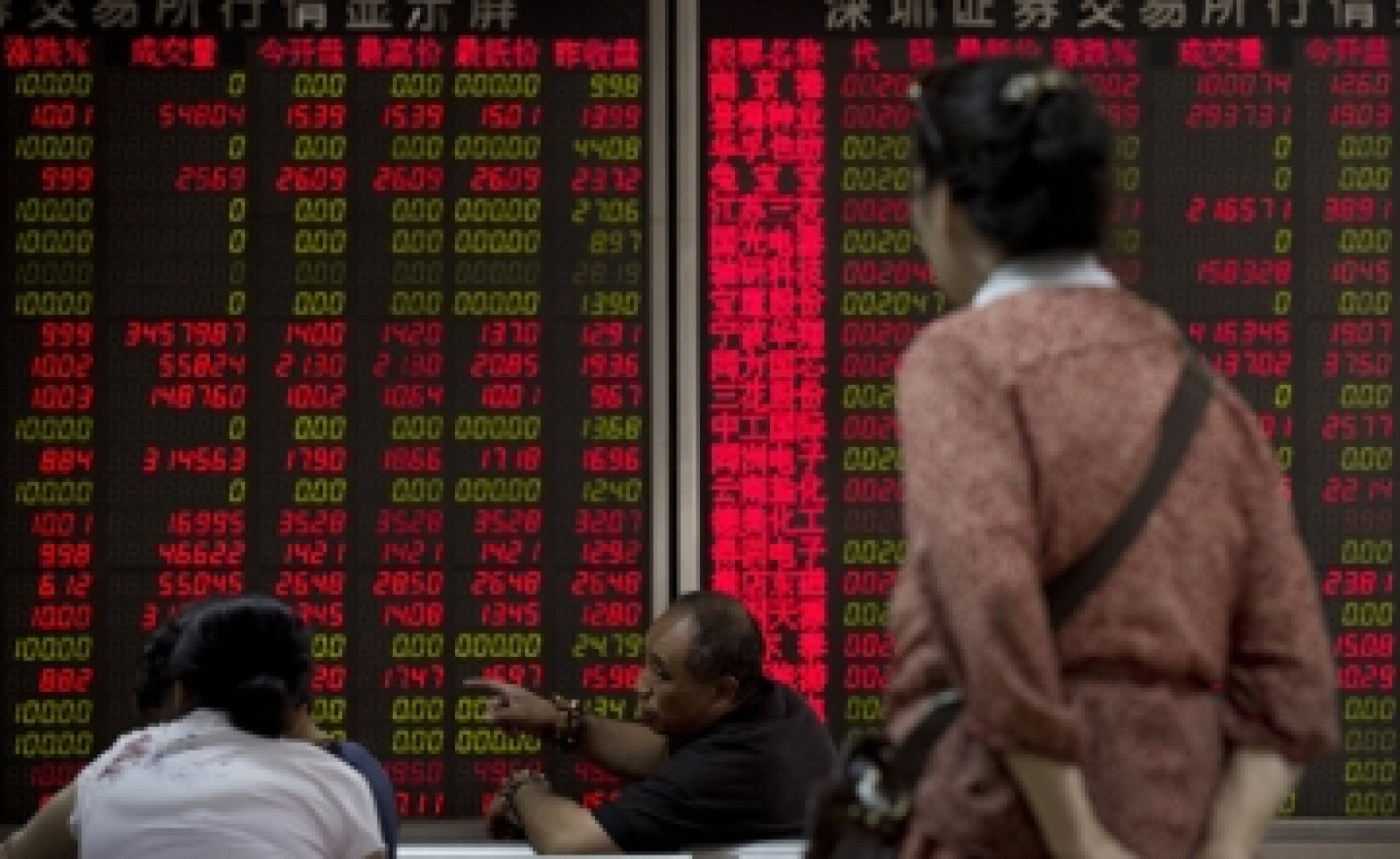
The latest economic figures coming from China make the international exert community worry about the fate of the Chinese economy in particular and the entire global economy in general. The thing is, each time Western stock markets start plunging, China is viewed as one of the key drivers affecting those markets along with other markets out there.
On top of that, even when the People’s Bank of China is implementing moderate currency interventions, the market volatility starts growing, and this becomes normal since the Chinese economy is getting more integrated into the global economy and consequently may undergone the same pressure other economies do.
Even though the Chinese economy is far from being on the verge of crashing, it is still losing its ground in many aspects. Another thing that worries international experts is that this situation may continue for years, should the Chinese authorities fail to come up with an efficient way of coming out of the crisis and restore stability in terms of growth and development. Still, the overall panic over the economic situation in China as well as its prospects can be seen as an exaggeration.
Simply put, if to put aside India’s economy, China is still seeing its economy gaining between 6% and 7% a year, which is way more than any other major economy in the world can boast, if to consider the stats provided by the World Bank. On top of that, even if the GDP growth goes down to 5%-6% a year by the end of the decade, this is till going to be the best performance among the world’s biggest economies.
This leads us to believe that China needs to switch to a new type of economic development. The most optimistic representatives of the international export community say that China is already showing some positive signs of such changes, shifting the economic focus to production and investments to consumption and services. More specifically, the progress is seen in the fact that a certain share of consumption as compared to the GDP has already increased by 2-3% since 2011. The same figures for services have gained 6% since then.
However, their opponents say that this is not a reliable factor to be based on. The thing is that when the GDP goes down, the mentioned share goes up automatically. On top of that, the pace of consumption growth isn’t actually growing and is likely to start plunging when China’s labor market sees a decline with higher unemployment and less money for Chinese households to spend. If that’s the case, the rebalancing pace will go very moderate at best. They say that the same thing holds true for the local service sector. The sector has been advancing mainly due to higher standards of living backed by higher household income, which is something Chinese households may lose in the near future. Lower commodity prices affect the market value of Chinese industrial companies, which affects salaries and employment. The real distribution of market share between manufacturing and service sectors is expected to come out when the wholesale deflation cycle in China is finally over.
At the same time, the recent Chinese stock market crash is the result of inefficient strategies
Developed and put into practice in 2014 to artificially boost the domestic stock market in order to let public companies implement IPOs and collect the funds to cover the immense debts. When the bubble emerged and inflated, no governmental intervention could save the day.
Extra risks in currency markets emerged because the Chinese government was in a hurry to make the Renminbi a global reserve currency. In order to achieve this goal, the Chinese Yuan has to be a strong currency driven by market mechanisms. Under the existing economic conditions, this leaves some space for contradictions, which are impossible to get rid of just by letting the local political authorities interfere.
As a result, they had to start extinguishing the fire in financial markets, which distracts from other urgent problems in China’s real economic sector. All of that creates more and more deterrents on China’s way to “the new norm”.
 Nataly Kambur