
 Alex Bobrov
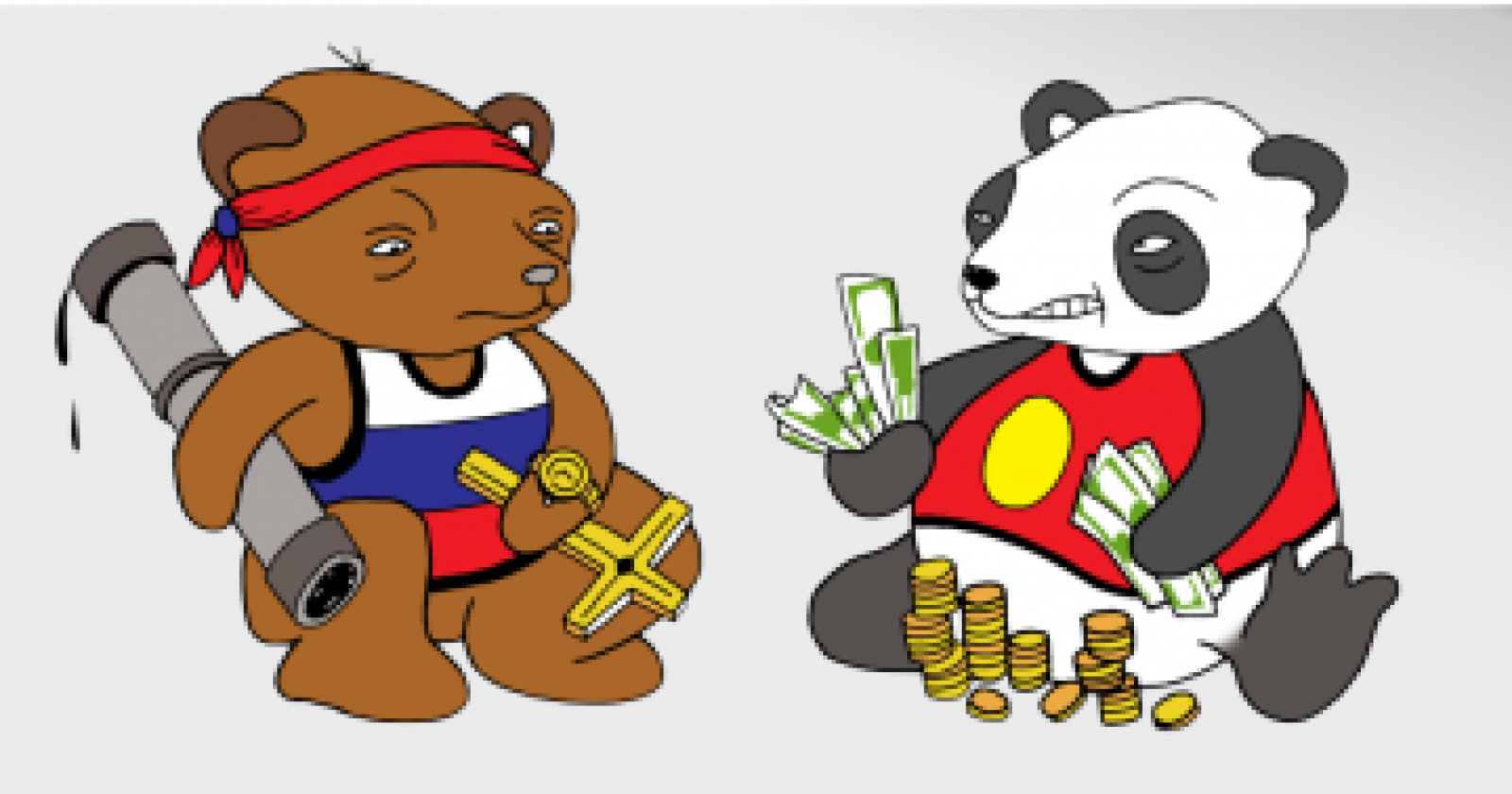
Some experts believe that the economic slowdown in China may indirectly affect the political and economic situation in Russia. While, the international community is watching the escalation of the conflict between Saudi Arabia and Iran, Russia is one of those who may benefit from the conflict in the Middle East.
The experts say that Russia is trying to contribute to the escalation of various conflicts in the Middle East in order to destabilize the region rich and oil. If the oil supply form the region is disrupted, this will contribute to the recovery of oil prices triggered by lower oil supply.
Still, the Middle East is not the only area worth paying attention to. While most of us are worried about the conflicts in the Middle East, there is another problem in the Far East. Not so long ago, the Chinese stock market crashed by 7%, which is the biggest daily loss seen over the last few years. Please keep in mind that this is a serious wakeup call since China is the world’s second-biggest economy.
While Russia’s benefit from any crisis or conflict in the Middle East is obvious, the economic slowdown in China (and a possible crash) is potentially very dangerous to Russia. Even though this danger is not that obvious for plain folks, this one may soon become vivid and very real while threatening Russia’s existing political life.
First of all, both Russia and China have imperial ambitions to some extent. Those countries used to be great empires but lost their status and significance. They entered the new millennium full of new ambitions and willing to restore their might. The contemporary reality implies insufficient space for their considerable geopolitical ambitions. For now, their aspiration for becoming true superpowers is hindered by the USA and its European allies. Under such circumstances the only way for them to implement their ambitions is through economic flourishing and territorial expansion.
As for economic strength, Russia cannot boast a lot of success these days. Therefore, Russia seems to be trying to benefit at the expense of weaker and smaller neighbors. Some experts don’t deny the possibility that China may follow the same path of strength, especially if China’s political and economic stability and well-being is compromised or threatened. By the way, China’s Communist Party is planning to elect a General Secretary acting as the Chinese president.
As for Russia-China relations, they deteriorated slightly in 2015 as the positive vector of those relations weakened to some extent. The bilateral trade turnover shrank by 30% in 2015. China’s investments in Russia is slightly over $1 billion. For the sake of comparison, China is planning to expand its investments in Africa all the way up to $60 billion.
On top of that, Russian banks hasn’t seen the promised support from Chinese investors so far. It is mainly China’s fault that Rosatom got losses instead of profits last year. Chinese rivals ousted the Russian company from Africa and Argentina while trying to compete with it in Kazakhstan, Tajikistan, Turkmenistan and Kyrgyzstan. Chinese businesses are gradually ousting their Russian competitors from various niches.
Moreover, China starts disputing some some Russian territories all the way up to Lake Baikal. Yet, there are all reasons to expect more talking on the topic in 2016.
Experts say that China (as any other successor of an empire) will try to distract the folks from domestic problems by focusing their attention on external threats and problems. Apparently, Russia is going to be in focus under such circumstances. The choice is logical since Russia is now seen as a global scapegoat and outcast. With that being said, even if China starts bullying Russia, the USA and the West are not going to condemn it. Chinese authorities may play the role of strong and powerful politicians who won’t bow to the occupant of the territories that once belonged to China.
 Alex Bobrov



