Alex Borzak
As you probably know, both Russia and Saudi Arabia are interested in lower oil supply in the global market since the deficit is expected to push oil prices higher, thereby resulting in bigger profits from their oil exports further down the road. That is why they seem to be doing their best to contribute to this ambitious goal.
What is really going on in the global market of crude oil?
For now, 24 oil producers from around the world agreed to extend their production cuts for the next 9 months during the recent OPEC summit in Vienna. Against low demand, cutting production may look a reasonable solution designed to balance the market. On the one hand, this may well support the prices. On the other hand, there is no need to extract crude oil from old oil fields with excessively high production costs.
First of all, it’s OPEC nations who are busy regulating the oil production in the first place. Russia is not an OPEC member but has been an OPEC ally over the last few months. Yet, experts say this cooperation isn’t something that Russia can benefit from at all times. It’s high production costs that prevent Russia from making plenty of money from exporting crude oil. So, the only thing left for Russian oil companies is to expand the profits at the expense of expanding the volume. However, as you probably know, Russia promised to make the local oil companies cut their oil production by as much as 300K barrels a day. This is at least 15 million dollars of lost profit a day.
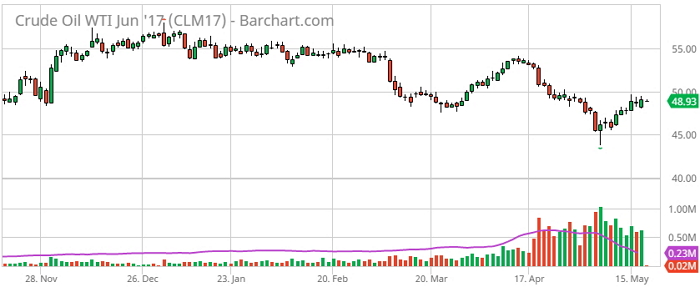
Even though any production cuts in the global market of crude oil are temporary, they still help the world’s major oil producers and exporters to sustain slightly higher prices at least temporarily. Shortly after the participants of the recent OPEC summit decided to extend the agreement, oil prices went slightly up. However, we haven’t seen a major price rally since then.
 Alex Borzak