Alex Borzak
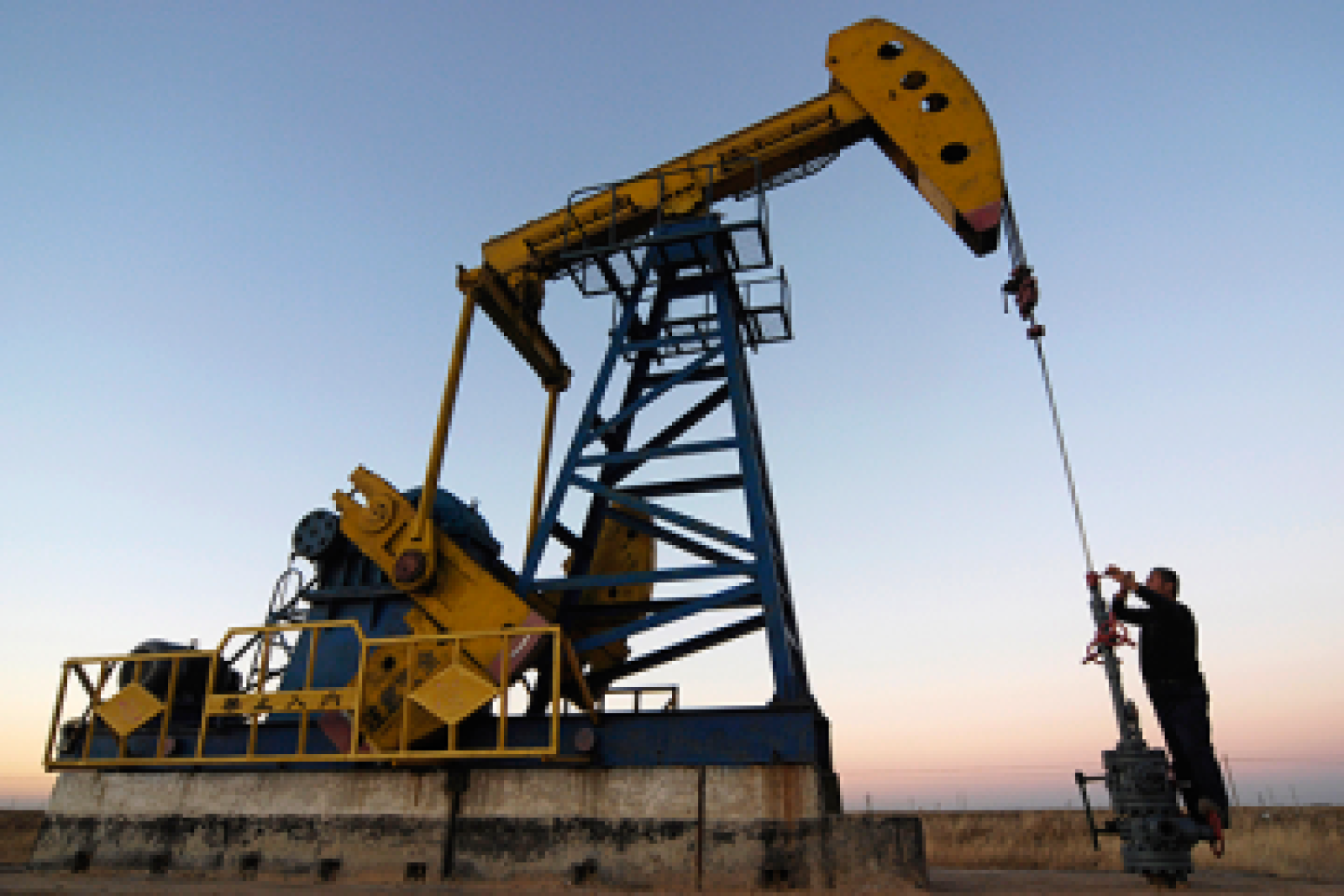
Over the last 4 weeks, crude oil prices have already dropped over 20%, Masterforex-V Academy reports. At the same time, more and more representatives of the international expert community assume that the bears are going to dominate the market in the near future, with prices falling further down to $35/b.
As you probably know, over the last 12 months, crude oil has seen its price involved in a real roller-coaster. This is not the first time, the price is going down and then starts recovering. The tendency is likely to be continued.
They say that the recovery seen in the global oil market over the recent months is now over and the bears have resumed their domination after taking a timeout. This is confirmed by the recent price behavior. To be more specific, On August 1, 2016, WTI saw the price drop below $40/b. This is the first time the price has fallen below this level since April 2016. All in all, the recent downswing made the price lose 20%. As for Brent oil, the things are slightly better but still there is no reason for the bulls to cheer up. The price is now below $42/b.
According to Masterforex-V Academy and NordFX experts, crude oil is in downtrend as today’s price of Light Crude OIL Futures is $39,44/b. This is confirmed by the chart below, courtesy of Masterforex-V Academy.

It is interesting to note that there was no sign of such a price crash in late spring early summer. In particular, the prices stayed above $40/b even though they were very close to the psychological level. But they never broke below the level over the reporting period and later rebounded to rally above $50/b. Strange as it might seem but the rally wasn’t curbed even by some disappointing news coming from the global energy sector, including the still missing agreement between the world’s major oil nations regarding the decision to freeze their oil production and even cut it to make oil prices recover.
At that time, we could hear brave forecasts promising a return back to $80/b and even $100/b. But that’s not the case, as we can clearly see now. So, what could have actually triggered this price plunge? Most likely, there were several triggers affecting oil prices at the same time and creating the so-called domino effect. As usual, the imbalance between the global supply and demand was one of them.
For now, the experts name several key factors we should take into account when expecting future scenarios for crude oil.
Iraq
Even despite waging war on the ISIS, Iraq is still producing crude oil without any interruptions. The thing is that most of the local oil fields are far away from the conflict area. Last month, they increase their oil export through Southern ports. Thanks to that, Iraq already managed to make almost $4 billion. As for the future, Iraq is definitely not going to freeze or cut the local production of crude oil. On the contrary, they are planning to increase it gradually. Also keep in mind that this is the world’s number 4 in terms of oil reserves.
Saudi Arabia
During summertime, the Saudis managed to increase their own oil production as well. As a result, the production volume has already come close to the all-time high. At this point, they are producing some 10,5 million barrels a day.
By the biggest news is that on July 31, Saudi Aramco announced its decision to provide is Asian clients a 10% discount, which is expected to back higher demand from them. At the same time, throughout the entire past week, the Saudis were talking about their intension to stop fighting for the market niche in favor of higher oil prices. However, that’s not the case.
The reality is that the rivalry got much tougher after Iran came back to the global market and started aggressive expansion to make up for the lost profits over the last few years of Western sanctions. Investors assume that there is no reason to expect cardinal changes over the next couple of months. It seems that the Middle Eastern oil nations value their market share over temporary losses caused by low prices.
The very fact of continuous civil wars waged there over the last 5 years, couldn’t but affect the local oil industry. Before, it all started, Libya used to produce some 1,5 million barrels a day. Now, it’s barely 400K barrels a day. The 2 parallel governments keep on failing to control the situation in the country as the ports and oil fields are captured by rebels from time to time.
Even today, it’s hard to arrange oil shipments from local ports due to the turmoil. They can only ship some 100K a day at best.
$40/b and Below
As for today’s oil forecasts, they are rather controversial, to say the least. For example, Bank of America predicts $55/b and $60/b or more in late 2016 and early 2017 respectively. IFC Markets expects the market to stabilize in the range of $40-$45/b. At Raiffeisen Bank, they expect a crash down to $35/b. Who is right? We’ll live and see…
 Alex Borzak