Tatiana Kashyrskaia
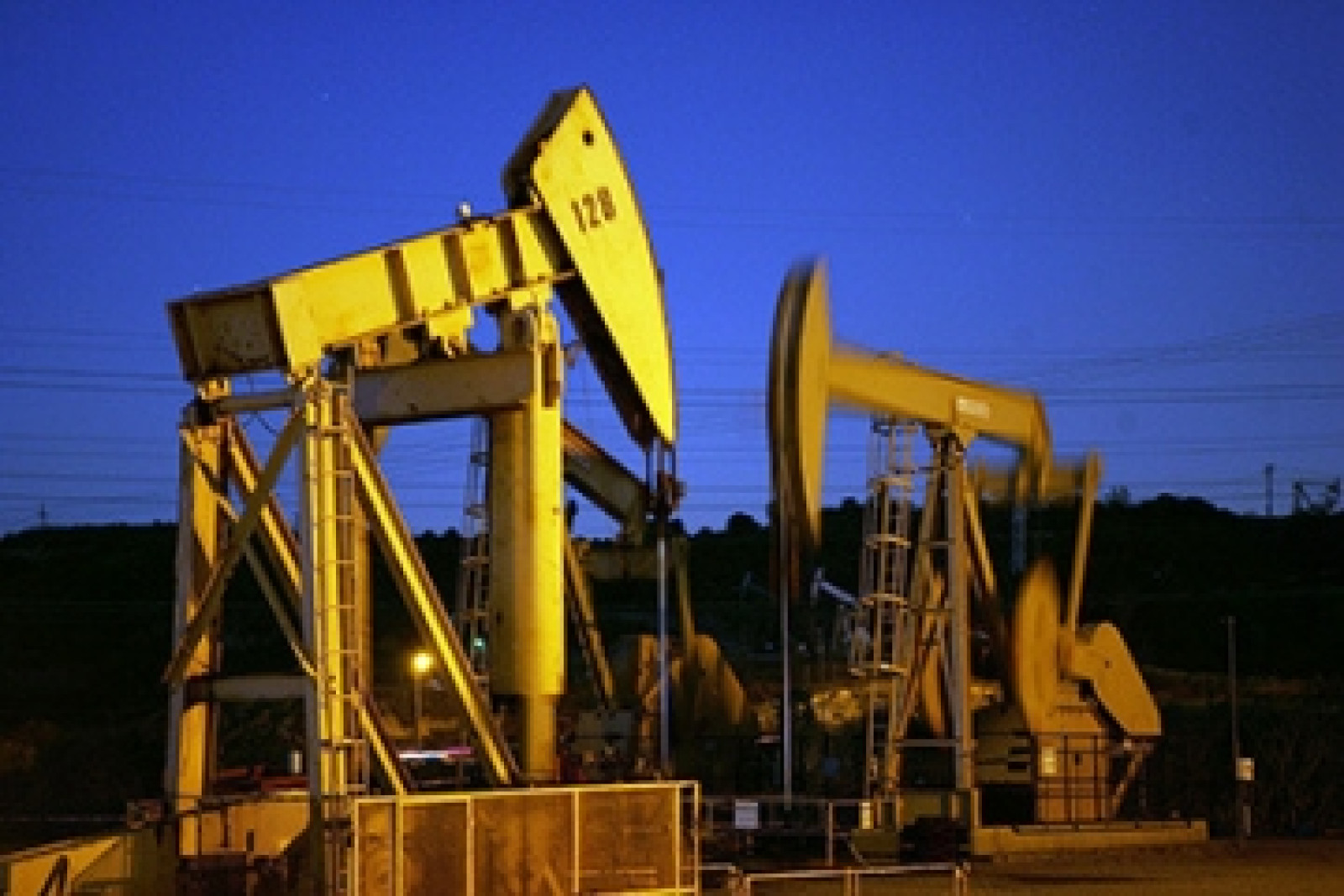
The price of Brent oil blend has jumped over the mark of 51 USD per barrel at London stock exchange ICE. Namely, on Wednesday, June 08, the price of one barrel of sample grade has amounted to 51.05 dollars – the highest value since last October. This is proved by information from trading grounds.
WTI oil blend has shown the price of in 50.11 USD per barrel at NYMEX stock exchange.
Russian ruble is getting stronger due to rising quotations of raw materials. One American dollar costs 64.89 Russian rubles (minus 39 kopecks in comparison to June 06), one Euro – 73.59 Russian rubles (lost 39 kopecks).
On June 06 the Chairman of UAE Department of Economic Development Ali Majed Al Mansoori stated that surplus of petroleum at the global market of “black gold” has dropped to 1.2-1.5 million barrels per day. “I suppose that this year oil may be traded within the range of 55-60 USD per barrel,” he predicts.
On May 16 Goldman Sachs bank published a forecast, according to which average annual price of oil will amount to 45 USD per barrel due to smaller recovery. In its turn, Citigroup predicts oil to rise to 50 USD in the third quarter and to 65 USD next year.
What Price is Predicted by the EU?
Next year’s forecast is reported to have considerably increased – to 45.95 USD from 42.5 USD per barrel.
Recovery of Brent oil blend was supported by minor decline in supply from OPEC and non-OPEC countries. Smaller recovery in some OPEC countries has only been partially compensated by higher production in Iran. Although recovery was maximal, the Russian Federation and Saudi Arabia kept it stable in February-March, as stipulated in their agreement with Qatar and Venezuela , in order to slow down oil recovery at January level.
The European Commission highlights that big global reserves of petroleum and fear of economic increase at emerging markets will most likely continue putting pressure on oil price.
As stated by Russian Prime Minister Dmitry Medvedev, the country is interested not in overstatement, but in stability of oil price.
Besides, Dmitry Medvedev admits that results of negotiations in Doha on freezing oil recovery are not inspiring, but Kremlin does not dramatize on the issue.
Iraq says that it keeps putting effort in reaching agreement on freezing “black gold” recovery, and that its major producers can meet in the Russian Federation.
It is worth reminding that this Sunday in Doha oil-producing countries have failed to come to an agreement on freezing oil recovery. Russian Energy Minister Aleksander Novak claims that signing agreements on oil recovery may be irrelevant already in June.
British media broadcast that negotiations in Doha have been wrecked because of Saudi Arabian prince and the Minister of Defence Mohammad bin Salman.
At the same time, Vice Chairman of VEB Andrei Klepach believes that drop of oil quotations should not be expected due to failure of negotiations in Doha, as price of “black gold” will start rising in the second half of the year. Whereas specialists counted on a new drop of quotations to 30 USD per barrel.
 Tatiana Kashyrskaia