
 Ivan Zhigalov
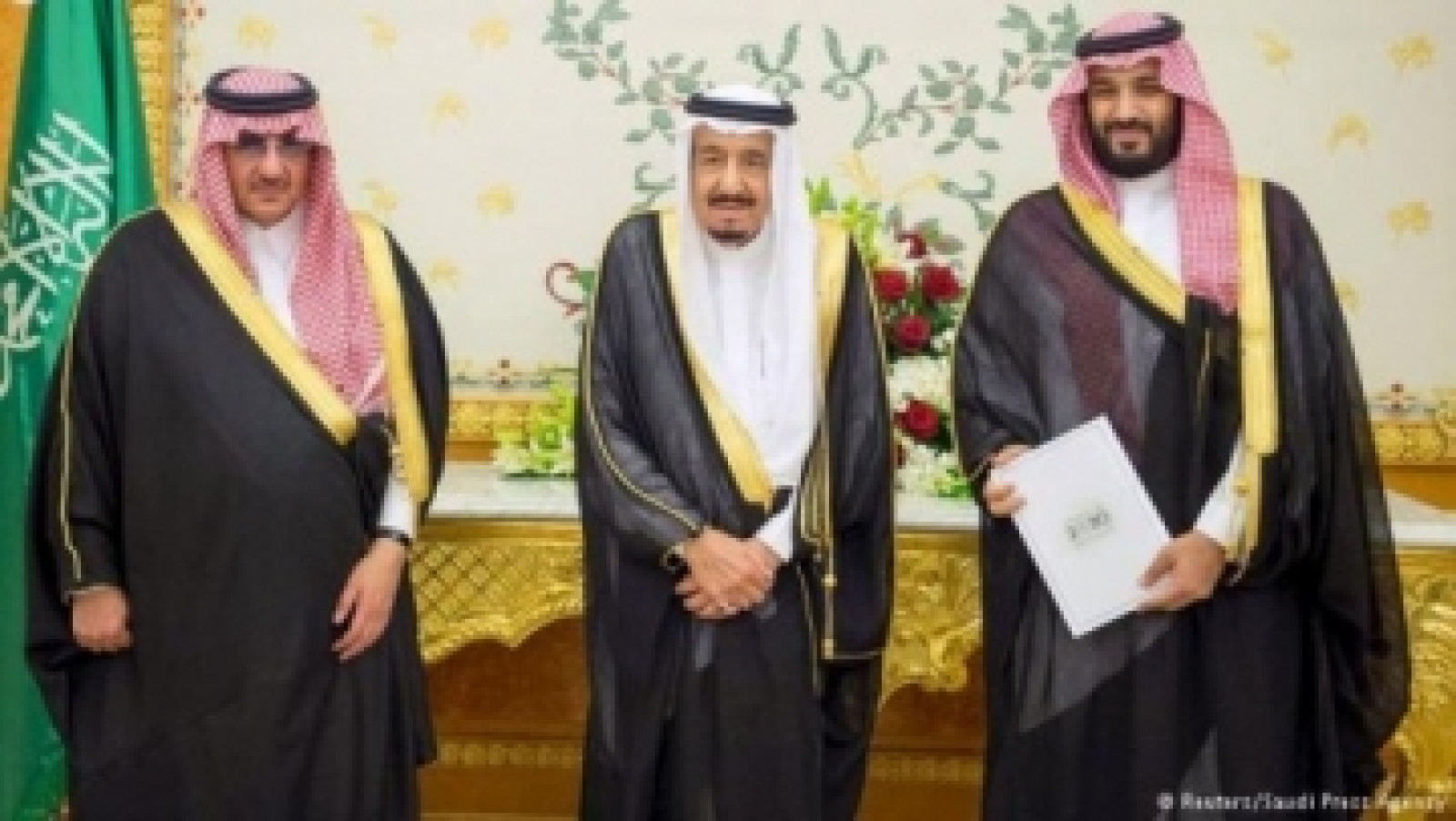
Not so long ago, a representative of the Saudi King’s was reported to have introduced a new development plan for Saudi Arabia until the year of 2030. It is named Vision 2030. The plan reveals the local authorities’ intention to introduced some fundamental changes to the country’s economy and financial system. They are aware of the serious dependence on crude oil exports, which is why they want to reduce this exposure to the international market of crude oil by making the local economy more diverse and less dependent on the local oil industry, especially amid still low oil prices and great uncertainty dominating today’s financial markets in general and the global oil market in particular.
First off, Vision 2030 is a list of key economic indicators and their targets, which are wanted to be reached by 2030. Still, there are no detailed solutions or ways of reaching the targets. For now, it is all about directions, some guidelines and blueprints for industrial and manufacturing sectors, with the local oil sector still being in charge. That said, nobody is going to make the local oil industry insignificant. This is still going to generate the lion’s share of the revenue for Saudi Arabia. The point is to reduce the exposure to the export of crude oil.
To be more specific, the authorities want the profits unrelated to oil exports to exceed $43 billion by the year of 2020. By 2030, the figures are expected to have reached $266 billion, which is a fairly ambitious goal and a big challenge awaiting Saudi Arabia down the road. That said, they are planning to increase the economic share of non-oil exports from 16% all the way up to 50% of the national GDP. By the way, Saudi Arabia can boast a $3000-billion fund, which is going to back Saudi Arabia’s expansion in terms of international investments.
The ambitious plan is also designed to cut the local rate of unemployment from 11% all the way down to 7% and below. It is also planned to boost household savings and involve more of the local population in sports. At the same time, Saudi Arabia is planning to introduce the so-called “green cards” to help foreigners extend their residence in the country and expand their rights.
Still, crude oil is going to dominate the local economy despite the planned reforms. One of them is designed to restructure the local oil giant named Saudi Aramco. They are planning to turn it into an energy holding with an electable board of directors and letting its departments trade their stocks on the local stock exchange. They expect the company’s market cap to be valued around $2000 billion. 5% of the market cap is going to be available for trading after an IPO in 2017. More oil IPOs are coming next year as well, if to believe Vision 2030.
At the same time, it is interesting to note that the ambitious plan was based on the results of the research made by a consulting firm named McKinsey. Still, some representatives of the international expert community start questioning this plan given its scale. However, their opponents assume that the oil dependency can be reduced if the right amount of time, effort and money is invested. This is confirmed by several examples like Mexico, Chile, and Malaysia. Some experts believe that Saudi Arabia has all chances to get rid of its oil dependence in 5 years’ time.
 Ivan Zhigalov



