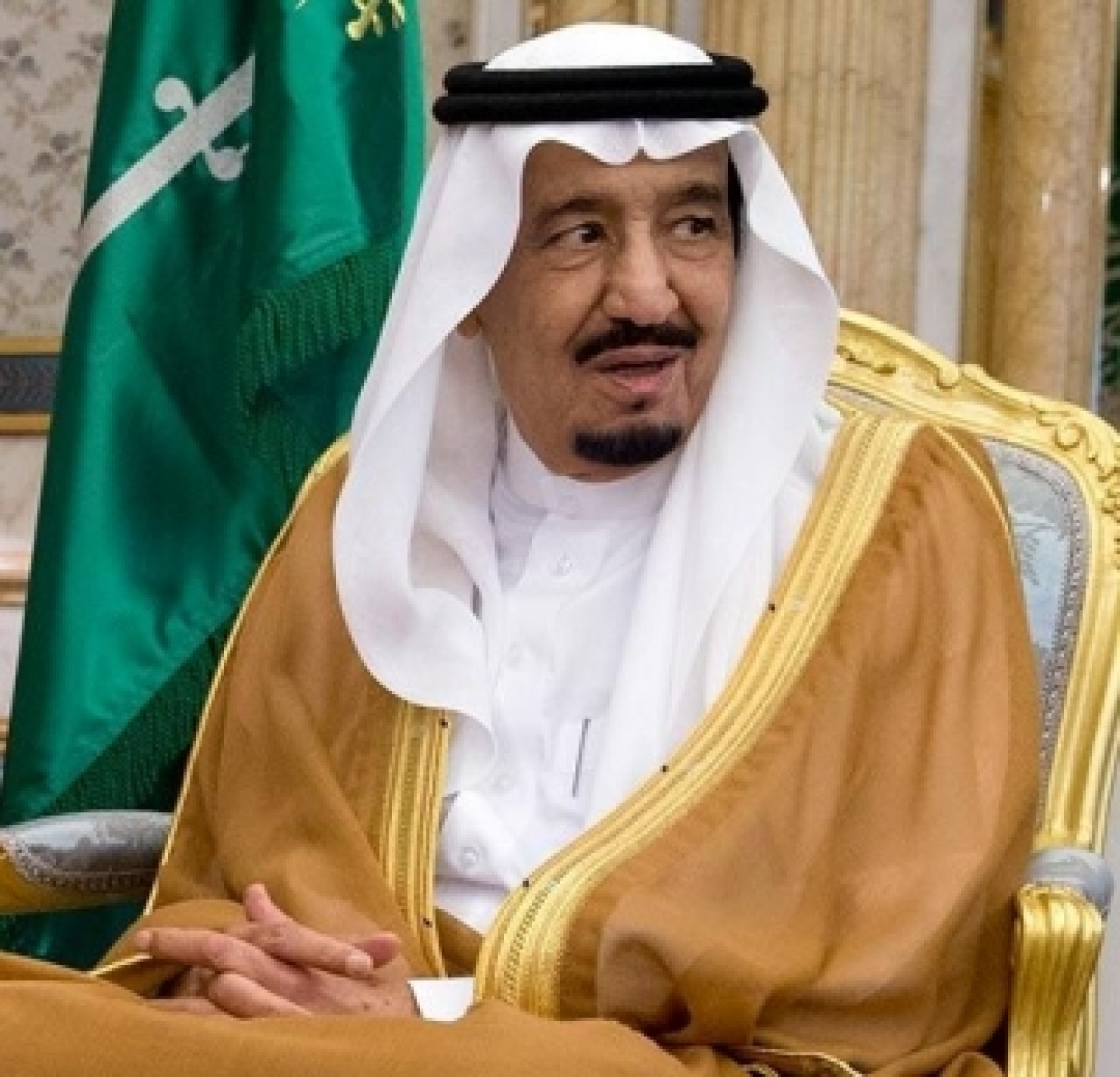
The Saudi Minister of Oil claims that Saudi Arabia is currently not going to start cutting its oil production in order to curb the overproduction. Still, the Saudis are ready to support the idea of freezing the existing production volume in case other oil exporters do the same.
With that being said, the Saudis confirmed their unbendable strategy aimed at the global oil market, Masterforex-V Academy reports. The experts say that the statement made by the minister made oil prices drop by 2% at a time the instance after it was made. In particular, Brent oil dropped down to $32,50 per barrel.
Another reason why the price felt more downward pressure was the speech made by OPEC Secretary General Abdalla Salem El-Badri. He says that American companies engaged in producing shale oil are capable to boost their production under any circumstances. With that being said, if that’s the case, they are going to be able to cover any oil export deficit should it occur as the result of shrinking oil production by other exporters out there. This means that the USA may become the nation preventing oil prices from recovering even if OPEC and other exporters start reducing their production to reduce the oversupply and make the prices recover. With that being said, the Saudis are aware that the U.S. shale oil revolution has already changed the entire oil industry and proved the world’s major oil producers that it is worth counting with.
OPEC Secretary General assumes that less effective oil producers should quit the market or cut their oil production expenses. The thing is that Saudi Arabia is still going to profit from oil exports even if oil prices crash all the way down to $20 per barrel.
Meanwhile, Iran is reluctant to consider any scenarios implying any production cuts for the benefit of oil prices. Under such circumstances, Iran thinks it is ridiculous to cut oil production while others are boosting it for fear of loosing their market share. Everyone seems to try and save the day for themselves by being reluctant to implement production cuts. Even though, Russia, Saudi Arabia, Qatar, Kuwait and Venezuela agreed to avoid any other production cuts, they are actually going to do this only if other producers do the same, which is something we are unlikely to see in the near future given the existing fight for the outlets.
In the meantime, the IEA reports that the balance between the oil supply and demand is not going to restore this year. While this is possible next year, chances are still very faint. The experts say that this and next year, U.S. shale oil producers are going to cut their production slightly only to start boosting it later throughout the entire period until 2021. With that being sad, the USA is expected to become the world’s major driver in terms of production growth. At the same time, they predict that Iran is going to outpace Iraq and become OPEC’s leading member in terms of the pace of production growth.