Tatiana Kashyrskaia
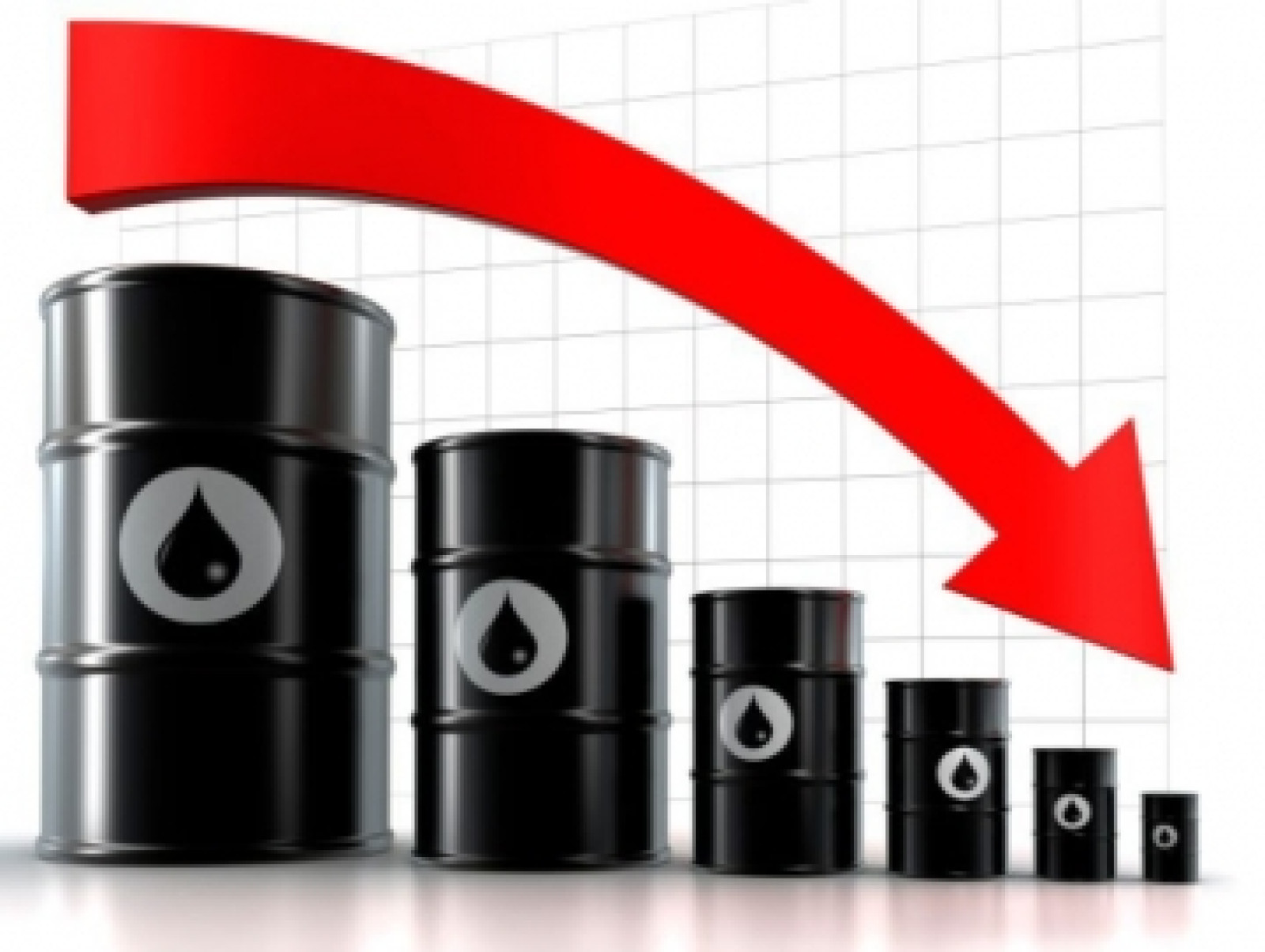
As you probably know, oil prices have been going down for more than 18 months. The international expert community keeps on pondering on the reasons why this is happening. Back in early 2014, crude oil cost $110 per barrel. Today, the prices is moving up and down close to $30 per barrel. Today, we are going to take a closer look at the key reasons why crude oil is still losing its value.
Factor 1
When it comes to declining oil prices, it is partially about the increasing oil production in the USA and around the globe. The thing is that over the period of 2012 through 2015, the USA increased is oil production all the way up to 14 million barrel a day. For those of you who don’t know, the USA outpaced Saudi Arabia and Russia in terms of oil production. This is happening amid increasing oversupply, even though U.S. oil exporters have promised to keep their export at the minimal level. Amid the oil downtrend leading to ultra-low oil prices, some American oil companies may suspend their production due to unprofitable business. This leads us to be live that the biggest factor triggering the bullish cycle in the global market of crude oil was the U.S. shale oil revolution.
Factor 2
Higher oil production in Iraq. It appears that Iraq us number two in terms of the pace of production growth. Back in 2014, Iraq was producing 3.3 million barrels a day. In 2015, the production volume increased all the way up to 4.3 million barrels.
Factor 3
Iran is now free of sanctions. After the West canceled the sanctions imposed on Iran over its nuclear program, Iran started regaining the lost market share by increasing its oil production and export while dumbing oil prices to outs other players and get their outlets. At this point, Iran is already producing 3 million barrels a day and the volume is growing.
Factor 4
Brazil is another country increasing its oil production. Not so long, it increased the production volume from 2.6 million to 3 million barrels a day. As of late 2015, there were 72 oil rigs functioning in Brazil. It appears that Brazil is currently the biggest shale oil producer. Still, experts say that the shale boom in Brazil has no potential since it needs considerable investments while it is next to impossible to attract them under current circumstances.
Factor 5
Saudi Arabia, which is OPEC’s leading oil producer and exporter, is reluctant to cut down on its oil production. On the contrary, they say that the Saudis have actually started increasing their oil production as well but conceal the fact. SA still has a lot of spare oil fields, which means it may boost its production further. If that’s the case, the prices are going to drop lower.
Factor 6
Concerns over the situation in China, the world’s second-biggest economy. The thing is that the Chinese economy is slowing down, which means lower demand in the oil market contributing to the increasing oversupply. Experts say that Chinese economic miracle is over.
Factor 7
Climate changes – a milder winter. The current winter has been the mildest one over the last 100 years. This means fewer oil needed to generate heat. Again, this is not good news for crude oil.
Factor 8
OPEC cannot control oil prices anymore. For those of you who don’t know, OPEC is now producing over 30 million barrels per day – 32,3 million to be more specific. OPEC could have cut the production to prevent oil prices from crashing. However, the Saudis and their partners decided to fight for their market share through letting prices go further down and ousting unprofitable oil businesses worldwide. The market stops count on it as a way to let prices recover.
 Tatiana Kashyrskaia