
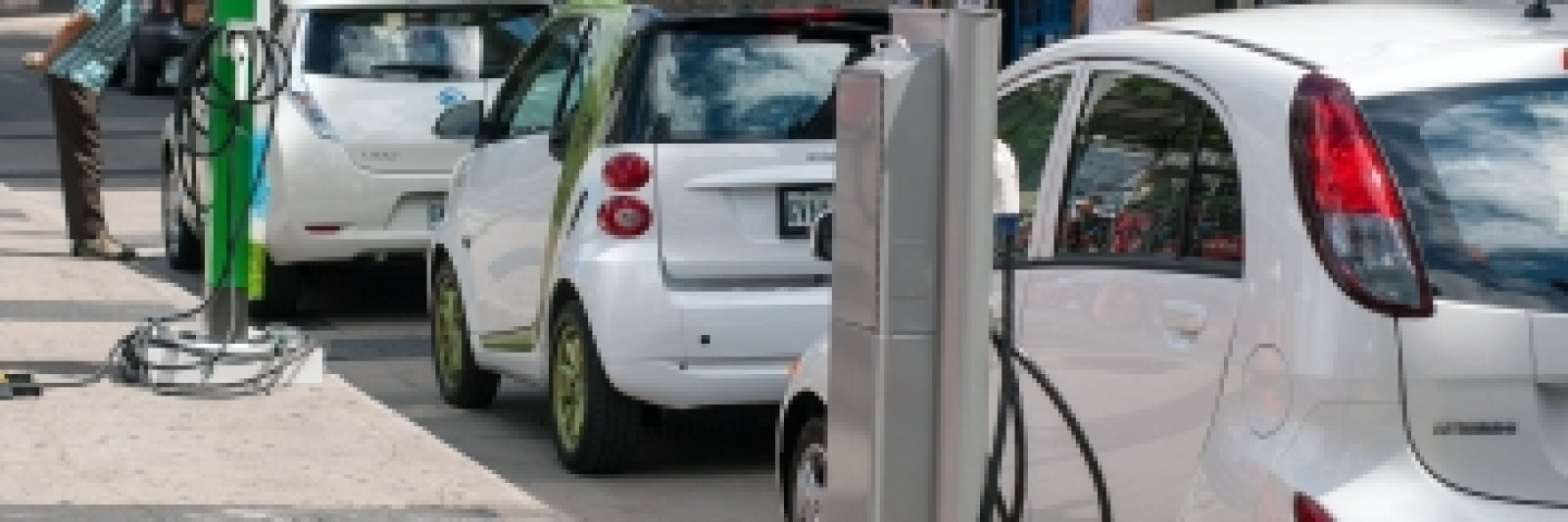
Electric vehicles are getting more and more popular worldwide. Experts predict that electric vehicles may win up to 30% as a share in the global market of automobiles by 2030. With that being said, this is a real long-term threat to oil-exporting countries heavily dependent on their oil exports.
Just a couple of years ago, electrocars used to be something exotic. Today, these electricity-driven vehicles are something common in the streets all around the globe. On top of that, more motor companies become aware of the necessity to get their businesses reoriented to this new kind of vehicles. And they start taking step after step to implement this plan. It is interesting to note that the world’s two biggest auto markets – the U.S. and China – set the tone for the entire global motor industry. Even in mid-term perspective, this trend may well result in a major increase in gasoline and diesel consumption across the globe, which is why this is a major threat to oil exporters, even if it is still not so obvious today.
Most likely, 2015 became the turning point for the global oil and motor industries. Anyway, the sales of electric and hybrid vehicles in China alone has already grown more than 3 times. The sales increased from 59 000 in 2014 all the way up to 189 000 in 2015. As a result, China became the world’s biggest outlet for companies manufacturing electric vehicles and hybrids. The U.S. sales of electric vehicles slightly slowed down from 120 000 in 2014 down to 115 000 in 2015.
As for European nations, they are still lagging far behind even though the pace at which the sales of electrocars and hybrids is growing in the EU looks amazing. For instance, the U.K. sales have increased from 16 500 all the way up to 28 000 vehicles in 12 months. In France, the sales have increased by 11 000 vehicles in 12-month time.
At the same time, it should be noted that the rapid increase in the sales of electrocars in China has to do with the highly polluted air in Chinese cities, which made the local authorities reduce the registering of vehicles with internal combustion engines in favor of electric vehicles. On top of that, electric vehicles are a great alternative for Chinese drivers, especially as Chinese owners of electrocars enjoy various financial benefits and privileges. The domestic market of electric vehicles in China has a lot of models to offer. The most popular hybrids are Qin and Tang by BYD. Kandi EV by Geely is the second most popular hybrid vehicle in China. Tesla S was recognized the most popular foreign brand with nearly 5000 cars sold in 2015.
In any case, the popularity of electric cars is going to get stronger, which is eventually going to translate into declining demand for gasoline. It seems like we are entering a new energy era…



