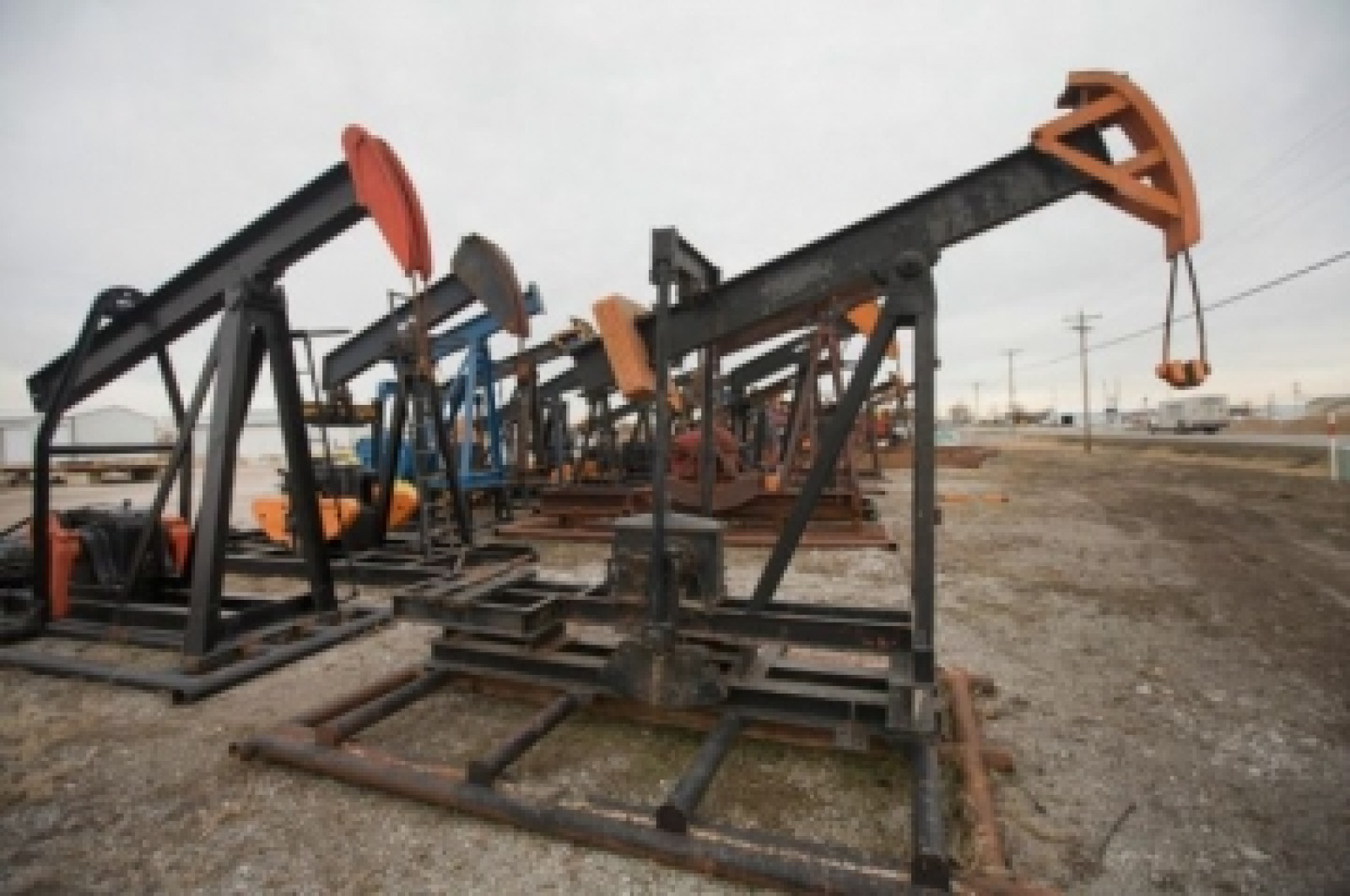
For those of you who don’t know, the situation we can see today in the global market of crude oil is nothing but the biggest oil price crash over the last 25 years. The thing is that the price dropped from $115/b all the way down to $28/b in a matter of 18 months or so. As the result, oil exporters are forced to cut down their financing of new projects while hoping for a price recovery.
At the same time, oil-importing nations got a chance for another development cycle. Some experts say that as the result of the ultra-low oil prices, the global GDP may gain extra 0,2% this year. Still, this is going to be real drama for those countries who are heavily dependent on crude oil exports.
Previously, under similar market conditions, oil exporters joined their efforts and cut down on their oil production to reduce the supply and level the market balance, which is no longer the case. It is interesting to not that Saudi Arabia used to be one of those who cared about the oil prices most of all and initiated those production cuts. Even though Saudi Arabia seems to be sticking to its official production quotas, the Saudis have probably decided to abandon this initiative this time. Now, they are focused on preserving their market share by any means while trying to oust others amid tougher rivalry. Previous production cuts used to trigger a loss of the outlets, which further translated into lost profits.
At the same time, now it seems that oil prices have gone out of the Saudis’ control. Oil prices under $30/b may bring Middle-Easter oil exporters a lot of troubles even despite the fact that the production costs in the region are relatively low.
When talking about OPEC nations, Venezuela now seems to be the biggest loser of the cartel. Even though it can boast massive oil fields, the production costs are higher, which is now a big challenge for the country brining it a new major crisis, especially as the local government seems to act inefficiently.
As for Russia, it is not going to cut its production as well, which means that Russia is only adding more fuel to the fire seen in the global market of crude oil by contributing to higher oversupply along with OPEC, and the USA. As Russia is heavily dependent on the export of fossil fuels, including natural gas and crude oil, the existing crisis instantly translates into the devaluation of the Russian Ruble as well as the purchasing power of the plain folks’ savings and incomes. Since the oil crisis started, the Russian currency has lost half of its value against the U.S. Dollar. Last year alone, consumer prices increased by 15%. This triggered another big problem. The thing is that foreign investors started fleeing Russian and other emerging economies. Over the last 2 years, hey have withdrawn over $200 billion. The Russian GDP has dropped by 3,7%. Experts say that the government will have to cut social spending and increase the retirement age.