Tatsiana Ketrar
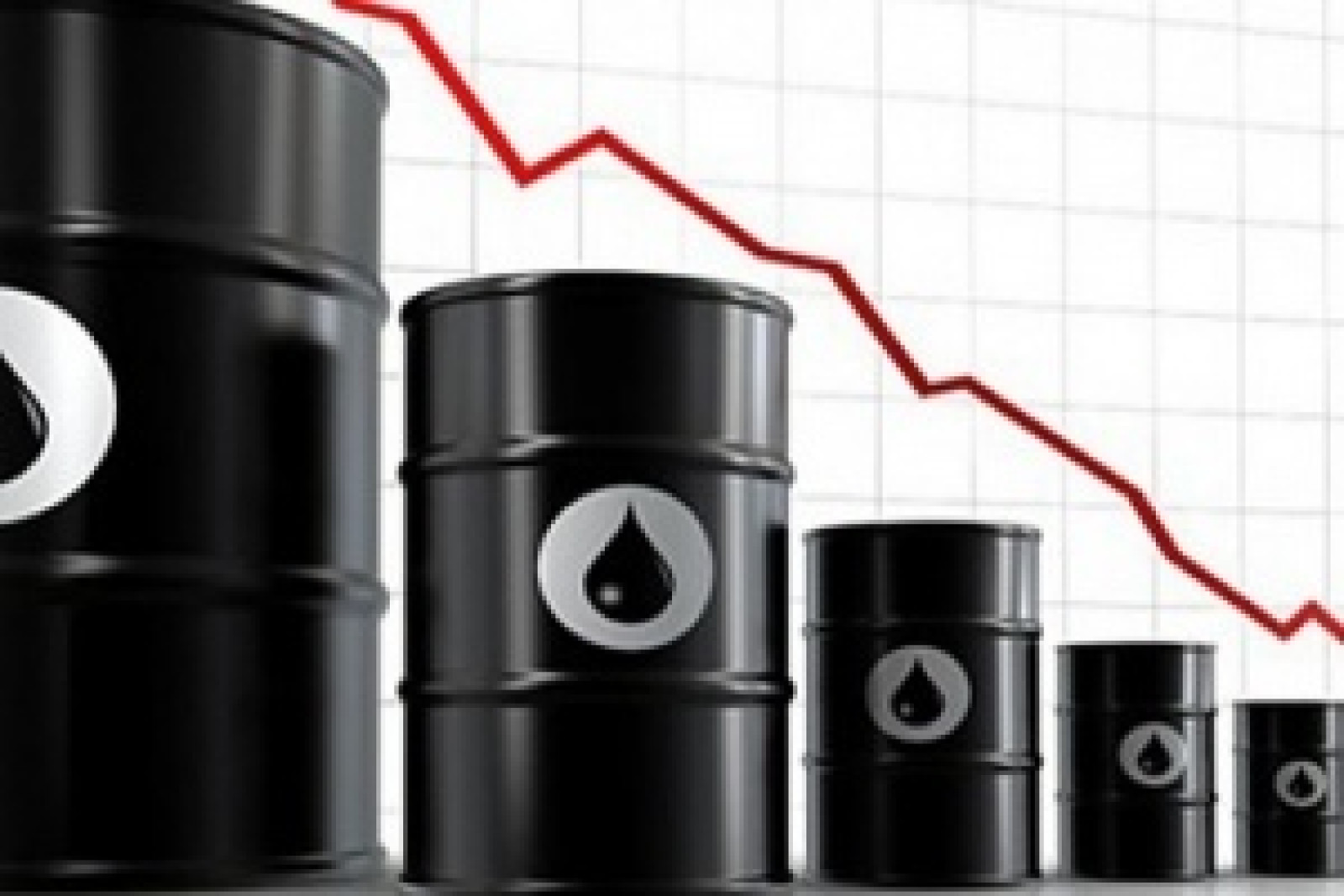
Oil traders are reported to have increased their short trades in the market of WTI oil all the way up to a new record. The biggest reason for that is the fact that the USA and its Western allies canceled the sanctions imposed on Iran a couple of years ago. As the result of this decision, Iran is now coming back to the global market of crude oil as am major player. It is ready to supply some 1 million barrels of crude oil a day right off the bat, which is definitely another bearish driver for the market amid increasing oversupply and declining demand.
Hedge funds increased their short trades by 15% over the past trading week. In particular, the amount of short trades on WTI increased y 25 899 contracts all the way up to 200 975 contracts over the reporting period. This is a new record - the highest amount of sell contracts since 2006, which the indicator first appeared. However, the amount of long trades also increased by 7.4%. Still, the bears dominate the market.

Meanwhile on January 18, Iran was allowed to start exporting crude oil to the global market, including Europe. Analysts assume that once Iran starts exporting oil, the prices drop down to $25 per barrel even despite the fact that Iran’s oil exports seem to have already been priced into the market.
Masterforex-V Academy reports that Brent futures for March delivery dropped down o $27.67 per barrels – the lowest level since late 2003. However, later on, the prices recovered a bit up to $28.31 per barrel.
There is no doubt that Iran is going to be another major factor affecting oil prices in the near future. The thing is that Iran has the world’s forth-largest oil reserves, which means its oil export is only going to add some fuel to the bearish fire. Another reason to expect lower oil prices is that Iran is definitely going to offer its buyers a lot of benefits including discounts and deferred payments when trying to win back the lost market niche amid tough rivalry.
At he same time, we know that Teheran is capable of starting the export of crude oil to Asia, including China, which is still the world’s biggest consumer of crude oil interested in cheaper imports. However, it will take more time to restore the export of rude oil to Europe.
 Tatsiana Ketrar