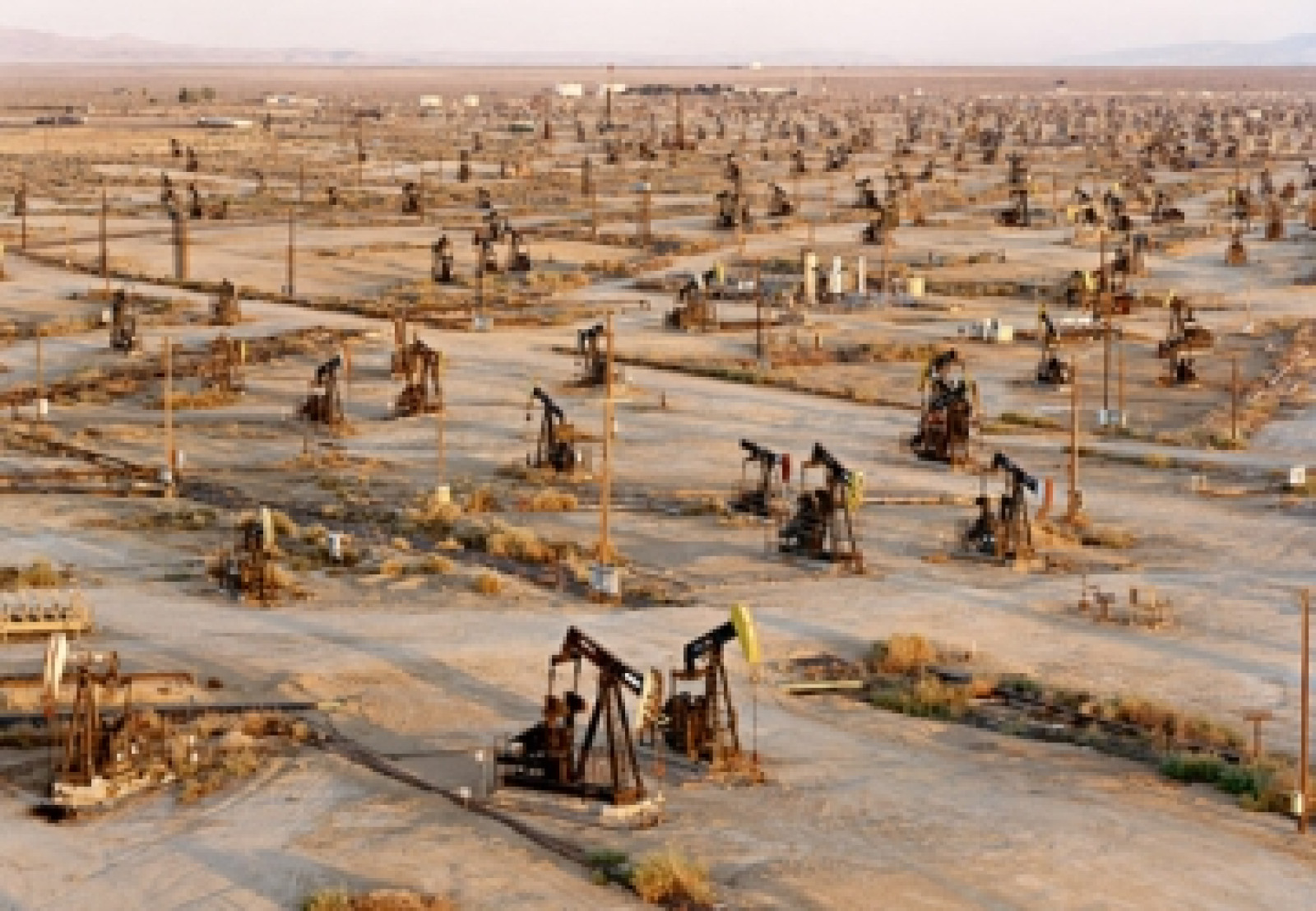
As you probably know, low oil prices have had a negative impact on the U.S. shale oil production so far, Market Leader reports. The thing is that the OPEC is still unwilling to cut its oil production amid a global economic slowdown and low global oil demand caused by it. With that said, the steady production coupled with low demand keeps on increasing the oversupply in the global market of crude oil, thereby pushing the prices to new lows almost on a weekly basis.
Apparently, shale oil producers from the USA and other countries seem to be he biggest losers since the production cost of shale oil is bigger than the one of conventional oil. Still, some experts believe that the American companies producing shale oil are going to make up for the losses caused by low oil prices at the expense of improving the technology and boosting the capacity.
As of today, a barrel of crude oil is trading close to $51,69. This is confirmed by the chart below, courtesy of Masterforex-V Academy.

At the same time, some media sources report that the current recovery seen in the global market of crude oil after months of negative performance has a lot to do with the fact that a lot of U.S. oil producers had to reduce or suspend their production due unprofitability. Most of them are reported to be shale oil producers. In other words, the sources hint that this may well be the end of the shale revolution.
Still, some data reflecting the amount of functioning shale oil well drills give us to understand that it is too premature to talk about the end of the shale oil boom. Last year, U.S. oil producers boosted their capacities by 34%. Yet, more than 7 months after the oil price collapse started, most of them are still not going to cut down on their oil production.
Other experts say that even if the amount of shale oil well drills is bout to be cut, the overall capacity is not going to suffer since the the efficiency of such a drill is up by more than 30%.
Meanwhile, Masterforex-V Academy reports that Friday’s recovery of Brent oil up to $57,80/b is just a consequence of speculative trading. The experts assume that this recovery is of short-term nature.