Alex Borzak
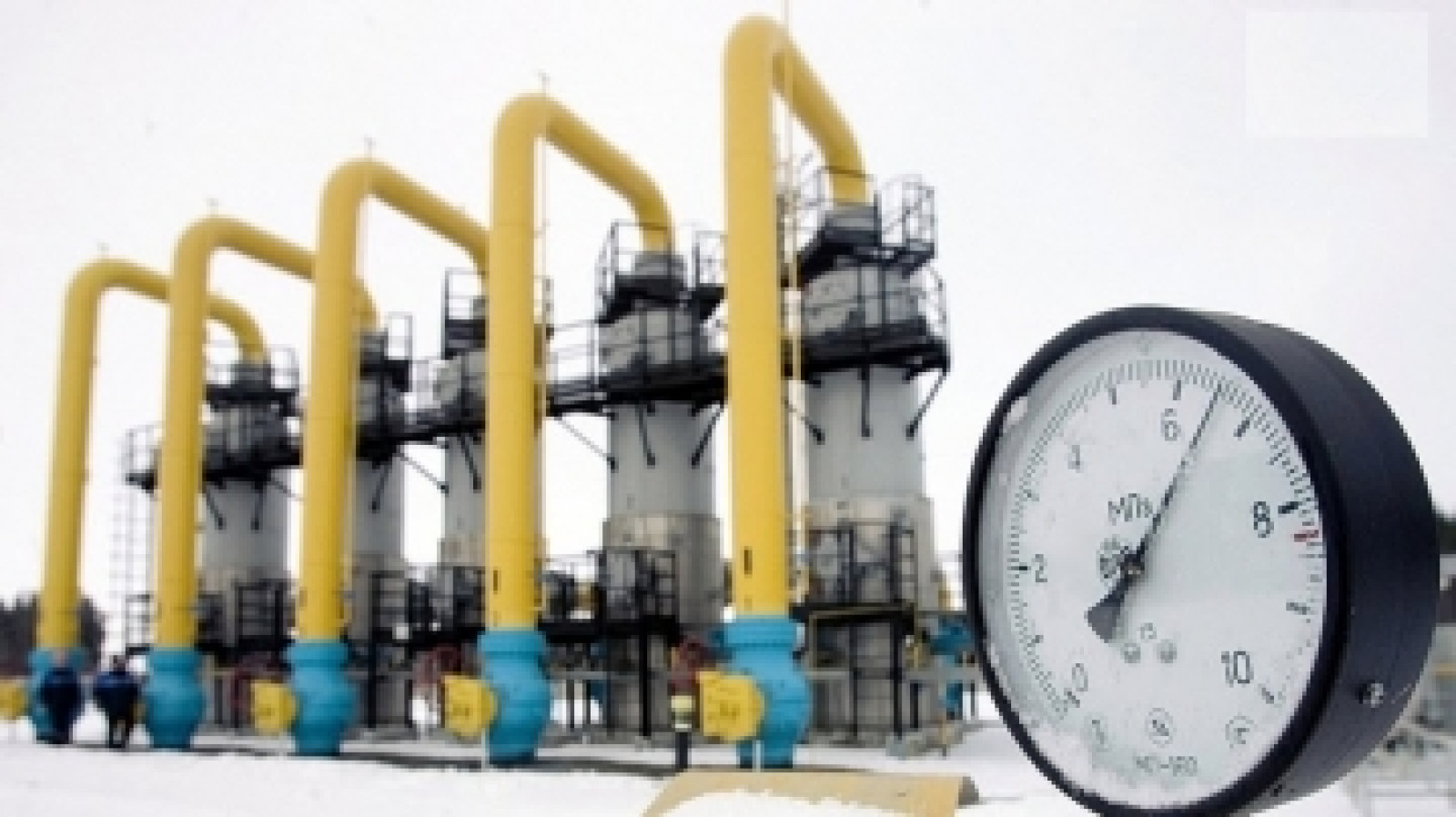
Natural gas import is still a major concern for the EU, especially this winter, which has been extremely cold. As a result, the consumption of natural gas in Europe has grown significantly, thus revealing a whole bunch of problems, including supplies and prices.
So, let’s have a closer look at the current situation in the European market of natural gas.
This winter every European country has shown increased demand for natural gas due to severe frosts. However, according to the Euro Commission, for some reason Russia reduced its export of natural gas to Europe in February (by 50% to the Czech Republic, by 30% to Austria, by 24% to Italy and by 8% to Poland). Germany, Hungary, Bulgaria, Romania, Greece and Slovakia are in the same list.
Is It All About Ukraine Once Again?
Initially, Gazprom officials said that it was not their fault. Ukraine, which owns transit pipelines, was said to take for its own needs much more substantial volume of natural gas than it should. According to the Russian-Ukrainian contract, Ukraine should get only 50Bcf of gas while in reality it has taken 60Bcf.
Italy, which suffers from the lack of natural gas supplies from Russia, believes its Russian partners, thus putting the blame on transit countries. It is much easier for Italian politicians to believe in a new gas war between Russia and Ukraine than in some other reasons.
In the meantime, Ukraine keeps denying any involvement in the reduction to gas supplies to Europe. Moreover, according to Yuri Boiko, Ukrainian Minister of Energy, Ukraine receives from Russia 450Mcf of gas a day instead of 510Mcf.
According to Gas Storage Europe (GSE, Ukraine), the country owns 13 underground gas storage facilities. Their total capacity is 32.1Bcf. In late January the Ukraine stored only 14Bcf. Technically, Ukraine cannot “steal” the gas stored in the Western facilities because it is impossible to reverse the flow. Moreover, Poland receives the Russian natural gas mainly via Belarus.
Moreover, Gazprom can control Slovakian and Austrian gas storage facilities to spot whether the transit countries actually “steal” the gas exported to Slovakia and Austria. Later, the representatives of Gazprom found another explanation for the lack of natural gas supplies.
The Real Reasons
After several days of denying, Gazprom finally admitted that it had temporarily reduced the export of natural gas to Europe by 10%.
Some experts assume that the real reason is that the Russian authorities want to increase the domestic supplies of energy carriers in advance of the forthcoming presidential elections. Gazprom indirectly confirmed it by reporting that during the first week of February the domestic demand for natural gas increased by 20%.
According to Andrei Kruglov, a Gazprom official, at this point the Russian giant cannot fully supply the growing needs of European countries. The EU’s demand for gas has increased by 55%. Some experts say Gazprom simply lacks enough capacity (i.e. pipelines) to transfer such considerable volumes of natural gas. However, Gazprom assures that it has enough capacity to supply both the domestic market and the EU market. According to Aleksandr Medvedev, Gazprom is currently facing some regulatory issues, which affect the company’s export capacity.
These words seem to reveal Russia’s real intentions.
Did Gazprom decide to teach Europe a lesson once again? Most probably, the real reason is that the EU market is overregulated. It’s about the EU’s third energy pact, which forbids gas exporters from owning any assets that belong to the EU’s gas infrastructure. This document was approved to secure Europe’s energy sector but prevented Gazprom from expanding the West. Moreover, Gazprom’s South Stream project came under threat.
Gazprom officials assume that if the 3rd energy pact were now fully functioning, 50% of Gazprom’s supplies wouldn’t reach the European importers due to multiple restrictions. They hope that the current situation will give the Euro Commission enough food for thought.
Global Gas Prices: Market Outlook
According to the Department of FMA-SAR, , this year Gazprom is planning to expand its export of natural gas to Europe up to 154Bcf as compared to 150Bcf in 2011.
The average price on natural gas in Europe is expected to increase from $ 384 per 1000cf in 2011 up to $415 per 1000cf this year.

Technically, there is a mid-term downtrend in the market of gas futures (Nymex), with targets around $2,450-2,390 per Btu.
However, at this point, the price may recover a little before resuming the downtrend. The closest levels of resistance are $2,555-2,615 per Btu.
Market Leader and would appreciate if you could participate in a survey. Please, visit the Academy’s forum for traders and investors and answer the following question:
In your opinion, why did Gazprom reduce its export of natural gas to the EU?
 Alex Borzak