Nataly Kambur
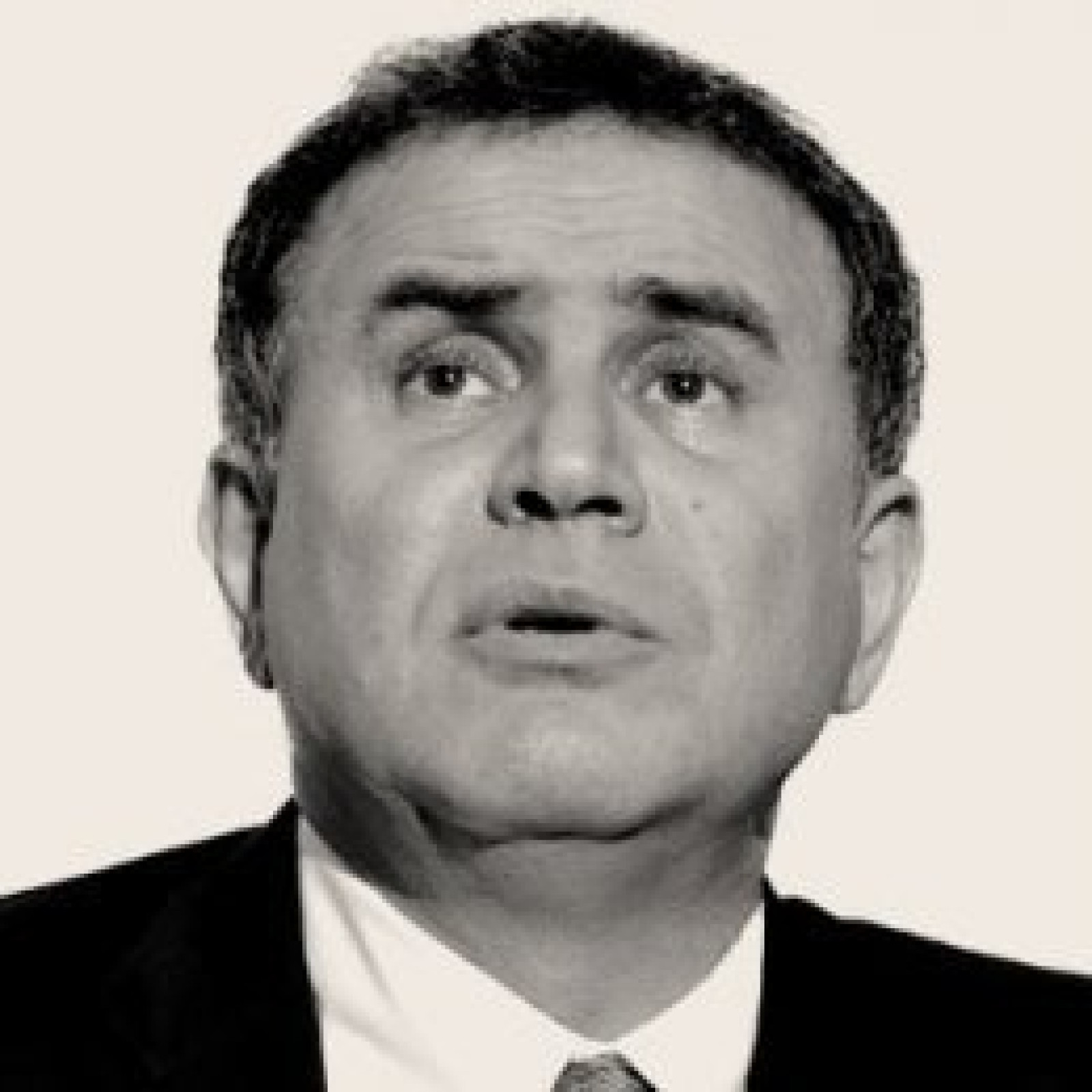
After the British referendum where the people voted for quitting the European Union, the market showed a rater reserved reaction to the news, weaker than expected. This is what Nouriel Roubini, an American economist and professor says. He teaches at New York University's Stern School of Business and is the chairman of Roubini Global Economics, an economic consultancy firm.
He compares the reaction to this period with the reaction to other 2 periods of instability in the global economy and financial system: last summer, when people were afraid of an economic crash in China, and January-February 2016, which was a period of poor economic data from China coupled with other major events.
Even though the news about Brexit shocked some market participants, this was a regional response to the unexpected news rather than a global one. European markets in general and British ones in particular were the most sensitive markets reacting to the Brexit. At the same time, the biggest share of volatility took place within the first week after the results of the Brexit referendum were announced. For the sake of comparison, the previous 2 periods of weakness were more considerable, they last for 2 months, a period of retracing stock markets around the globe.
The good news for the global economy and international financial markets is that the British economy accounts only for 3% of the global GDP while the Chinese economy makes up 15% of the global GDP! At the same time, the Chinese economy is responsible for over 50% of the global economic growth seen today.
After the Spanish parliamentary elections, we figured out that there were no reasons to expect any forthcoming disintegration of the European Union or the Eurozone. At the same time, after a change of power in the British government, there emerged a hope that the UK would still enjoy access to European markets, with inconsiderable limitations. However, the main thing was that investors finally figured out that because of the Brexit the world’s central banks would stick to even easier monetary policies. In reality, like in the previous 2 cases, the markets got all the necessary support from the regulators.
However, Mr. Roubini names some other potential factors that can aggravate the situation when coupled delayed risks for the international financial markets. The situation will get worse if the U.S. economy slows down its growth even more, especially when coupled with an economic recession in China, and lower commodity prices, especially crude oil.
The list of other challenges that Europe may face. The first thing is that if the Brexit is going to be really painful, Scotland and Northern Ireland may also start the procedure of quitting the UK to stay a part of the EU. If that’s the case, we may see the so-called domino effect, with Catalonia wanting to quit Spain . Denmark and Sweden may find themselves secondary EU members and start thinking about quitting the EU as well.
At the same time, the schedule of the forthcoming elections in EU countries also reminds us of dangerous games with unexpected outcomes. Still, Mr. Roubini doesn’t want to say that we should get ready for the disintegration of the EU in the near future. This may not even happen at all, if the political leaders of the European Union find more benefits of tighter cooperation within the scope of the EU.
Masterforex-V Academy reports that EURUSD may start a rally after breaking above 1,615.
 Nataly Kambur