
 Alex von Stachelkopf
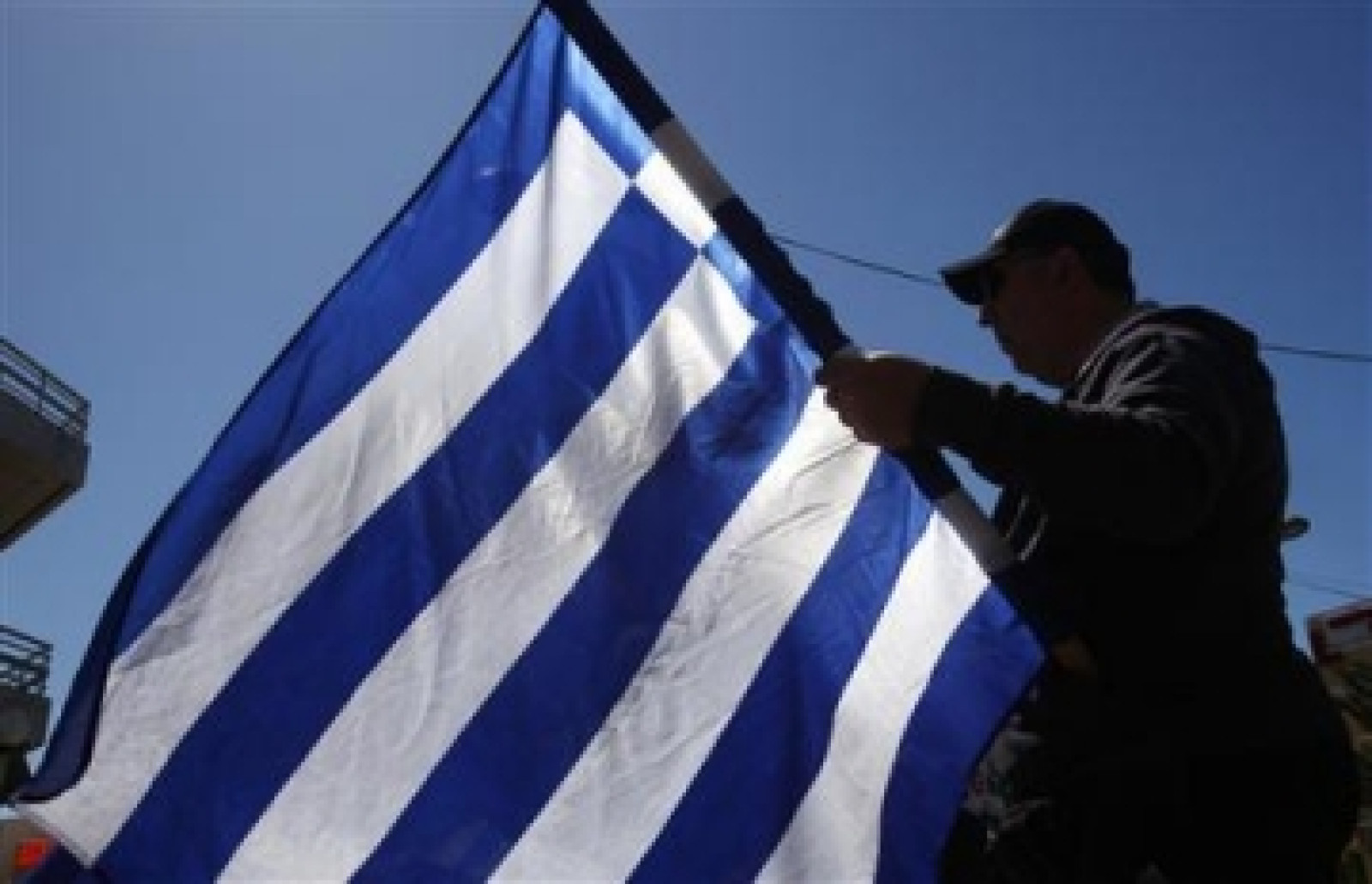
Yesterday’s statement made by Antonis Samamras, Prime Minister of Greece, turned into breaking news. He expressed hope that the EU/ECB/IMF trinity of lenders would provide financial support to Greece prior to the forthcoming EU summit scheduled for October 18th, 2012.
What are the standard and worst-case scenarios? How can they influence the common Euro currency? Let’s try to answer these question in this article.
Samaras’s Hopes
In yesterday’s interview to Kathimerini, Mr. Samaras said that he expected the Greek authorities to compromise with the trinity of lenders in advance of the forthcoming EU summit scheduled for October 18th.
It should be noted that Greece has been unable to service its gigantic public debt (€300bn) since 2010 because of the financial crisis. Hundreds of billions of euro have been pumped into the Greek economy on condition that Greece will follow the path of austerity.
In order to stay afloat and be able to implement the austerity plans scheduled for the next 2 years, Greece needs cut its public spending at least by €12bn (or 5% of GDP). Without implementing this condition, the lenders won’t provide another loan (€31.5bn).
The situation is deteriorated by an overall decline in the Greek economy as well as by growing unemployment.
In particular, the Greek GDP shrank by 7.1% in 2011 while the rate of unemployment exceeded 25%.
Angela Merkel visited Greece last week. She represents the biggest European donor to the Greek economy. Mrs. Merkel backed all the austerity efforts implemented by the Greek government but didn’t guarantee another tranche as it was necessary to wait for the trinity’s report.
Expert Opinion
According to Eugene Antipenko, an expert for , politicians often hide the truth from people. In order to understand the essence behind the optimistic and pessimistic scenarios, do the following:
Imagine that an ordinary family owes a bank more than they can earn within the next 1.5 years.
Will the lender write down the debt? No way. Will the family improve the situation by asking for another loan? The answer is obvious – a new loan will only postpone the inevitable payoff, thereby making the debt bigger. Therefore, it turns out that the only thing Mr. Samaras (the head of the family) hopes for is that the trinity of lenders will lend more money to Greece so that it could cover some of its current debts. The Greeks (the family) protest against the current policy.
Why do the lenders need all that? They need that in order to turn private debts (European banks and investors) into global debts (with the IMF acting as the main lender)
Therefore, the outcome is obvious: Either Greece defaults on its debt in November or it defaults later.
What could save the day for Greece? It is China that can solve the debt problem by purchasing some of the Greek islands. China offered this solution in 2010. However, the USA will never let its major rival consolidate its position in Europe, thereby showing the world “who the Daddy is”.
EURUSD. The chart below, courtesy of , reflects the current state of affairs in the market of EURSD. The common currency strengthened a bit after several reassuring statements made by Greece, EU and IMF. However, it is too early to speak about a major rally as the eurozone is neck-deep in financial and economic problems.

 Alex von Stachelkopf



